
 EN
EN
 AR
AR CS
CS DA
DA NL
NL FR
FR DE
DE HI
HI IT
IT JA
JA KO
KO NO
NO PL
PL PT
PT RU
RU ES
ES SV
SV TL
TL ID
ID SR
SR UK
UK VI
VI SQ
SQ HU
HU MT
MT TH
TH TR
TR AF
AF MS
MS GA
GA HY
HY BN
BN LO
LO NE
NE TE
TE MY
MY SU
SU UZ
UZ KU
KU KY
KY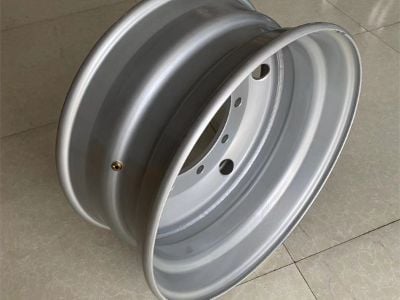
Selecting the right truck wheel offset is essential for ensuring optimal vehicle stability, handling, and performance. This article delves into the key aspects of truck wheel offset selection, addressing common buyer concerns such as compatibility, product specifications, and potential issues that may arise from incorrect offsets. By understanding these factors, purchasing managers, engineers, and product managers can make informed decisions that contribute to the overall safety and efficiency of their vehicles
Key Specifications for Truck Wheel Offset Selection
When selecting the right truck wheel offset, several specifications are crucial to ensure compatibility and performance. Wheel offset refers to the distance between the wheel's mounting surface and the centerline of the wheel. It can significantly affect vehicle stability, handling, and tire wear
Types of Offsets: There are three primary types of offsets: positive, negative, and zero. Positive offset means the mounting surface is located towards the front of the wheel, which is common in front-wheel-drive vehicles. Conversely, negative offset places the mounting surface towards the back, often seen in larger trucks and off-road vehicles. Zero offset indicates that the mounting surface is aligned with the centerline of the wheel
Measurement Parameters: Buyers should also consider the offset measurement, typically expressed in millimeters. A wheel with an offset that deviates significantly from the manufacturer's specifications can lead to issues such as misalignment, uneven tire wear, and compromised handling
Bolt Pattern and Hub Diameter: The wheel's bolt pattern and hub diameter must match the vehicle's specifications. Incorrect bolt patterns can prevent proper installation and lead to safety hazards
Understanding these specifications helps ensure that the selected wheel offset aligns with vehicle requirements, contributing to smoother operation and improved safety
Wholesale Buying Guide for Truck Wheel Offsets
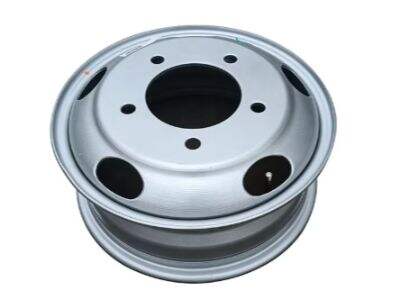
When purchasing truck wheel offsets in bulk, buyers should consider several key factors to streamline the process and ensure they receive quality products
Minimum Order Quantity (MOQ): Different manufacturers have varying MOQ requirements. Buyers should inquire about MOQs to avoid unnecessary costs and ensure they can meet their project needs
Customization Options: Many manufacturers, including Qingzhou Huamei Wheel, offer customization capabilities, allowing buyers to tailor wheel offsets to specific applications. When requesting a quote, provide detailed specifications, including offset type, size, and any particular design requirements
Quality Assurance: Ensure that the supplier adheres to quality control standards. Look for certifications, such as ISO 9001, which indicate a commitment to quality manufacturing processes. Request details about their quality inspection methods to understand how they maintain product consistency
Lead Times and Shipping: Confirm lead times before placing an order. Delays in production or shipping can disrupt project timelines. It’s also prudent to discuss shipping options and costs to avoid unexpected expenses
By paying attention to these factors, buyers can navigate the wholesale market more efficiently and secure the right custom truck wheels offsets for their needs
Common Problems with Incorrect Truck Wheel Offsets
Selecting an incorrect wheel offset can lead to a variety of issues that affect vehicle performance and safety. Understanding these problems is crucial for making informed purchasing decisions
Handling and Stability: An incorrect offset can alter the vehicle's center of gravity, resulting in poor handling. Vehicles may experience increased roll during turns, which can be particularly dangerous in loaded conditions
Tire Wear: Misaligned wheel offsets can cause uneven tire wear. Tires may wear out faster on one side, leading to premature replacements. This not only increases maintenance costs but can also impact vehicle safety
Suspension Damage: Continuous operation with the wrong wheel offset can lead to suspension strain. Components may wear out more quickly, necessitating costly repairs or replacements
Foul with Brake Components: In some cases, incorrect offsets can cause the wheel to interfere with brake components. This can lead to brake failure, posing serious safety risks
Being aware of these issues can help buyers avoid costly mistakes and ensure that their vehicles perform optimally
Where to Find Reliable Suppliers for Truck Wheel Offsets
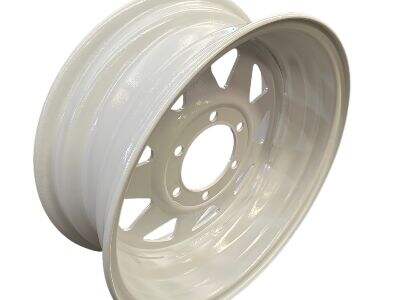
Finding a reputable supplier for truck wheel offsets is essential for ensuring product quality and reliability. Here are some strategies for identifying trustworthy manufacturers
Industry Associations: Joining industry-specific associations can provide valuable insights into reputable manufacturers. These associations often have directories or resources to help buyers connect with certified suppliers
Online Marketplaces: Platforms like Alibaba and Global Sources can be useful for identifying potential suppliers. However, it’s important to vet these companies carefully, checking for reviews, certifications, and product samples before committing to an order
Trade Shows: Attending industry trade shows is an excellent way to meet suppliers face-to-face. These events provide opportunities to inspect products, discuss custom requirements, and establish relationships with manufacturers
Referrals and Recommendations: Networking with other industry professionals can yield recommendations for reliable suppliers. Colleagues may share their experiences and insights, helping you make informed decisions
By exploring these avenues, buyers can locate suppliers that meet their quality and operational standards
Cost Factors to Consider When Selecting Wheel Offsets
The cost of truck wheels offsets can vary significantly based on several factors. Understanding these factors can help buyers budget effectively and avoid unexpected expenses
Material Quality: The materials used in wheel manufacturing can significantly influence cost. Higher-quality materials often provide better durability and performance, which may justify a higher price
Customization: Custom-designed wheels typically come at a premium compared to standard options. Buyers should assess whether customization is necessary for their application and budget accordingly
Order Volume: Bulk purchases may qualify for discounts. Buyers should inquire about pricing structures based on order quantities to ensure they receive the best value
Shipping and Import Fees: Depending on the supplier's location, shipping costs and import fees can add to the overall expense. It’s essential to factor these costs into the budget when selecting suppliers, especially for international orders
By taking these cost factors into account, buyers can make more informed decisions and achieve a balance between quality and affordability in their wheel offset purchases