
 EN
EN
 AR
AR CS
CS DA
DA NL
NL FR
FR DE
DE HI
HI IT
IT JA
JA KO
KO NO
NO PL
PL PT
PT RU
RU ES
ES SV
SV TL
TL ID
ID SR
SR UK
UK VI
VI SQ
SQ HU
HU MT
MT TH
TH TR
TR AF
AF MS
MS GA
GA HY
HY BN
BN LO
LO NE
NE TE
TE MY
MY SU
SU UZ
UZ KU
KU KY
KY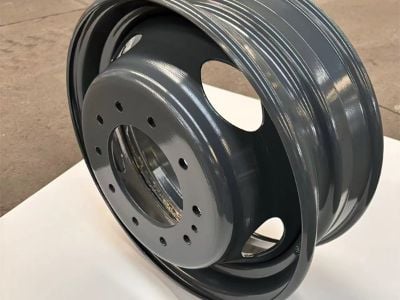
Choosing the right truck rims involves understanding various specifications, among which load rating is crucial. The importance of load rating when choosing truck rims cannot be overstated, as it directly impacts the performance, safety, and longevity of the vehicle. For B2B buyers, such as purchasing managers and fleet operators, concerns typically center around weight capacity, compatibility with existing equipment, and ensuring quality during the sourcing process. This article will guide you through the essential aspects of load ratings, helping you make informed decisions when selecting truck rims
How to Choose Truck Rims with the Right Load Rating for Your Needs
When selecting truck rims, the load rating is one of the most significant factors to consider. Load rating denotes the maximum weight a rim can support safely. To choose the right load rating, you should first determine the Gross Vehicle Weight Rating (GVWR) of your truck. This figure includes the weight of the vehicle itself, any cargo, and passengers
Once the GVWR is established, you can select rims that have a load rating that meets or exceeds this requirement. It’s also advisable to factor in the type of terrain the truck will operate on. For example, trucks used in mining or agricultural environments may require rims with a higher load rating due to uneven surfaces and additional stress. Remember, underestimating the required load rating can lead to rim failure, compromising not just vehicle performance but also driver safety

Why Load Rating is Crucial for Wholesale Truck Rim Purchases
For wholesale purchases, understanding load ratings becomes even more critical. Bulk buying often involves varied applications and vehicle types within a fleet. Therefore, it's essential to analyze the load requirements of each vehicle to ensure you are sourcing rims that align appropriately with their respective load ratings
Additionally, purchasing managers should verify that the rims being acquired are compliant with industry standards. This not only assures quality but also mitigates risks associated with potential liabilities from accidents due to inadequate load ratings. Partnering with a reputable manufacturer like Qingzhou Huamei Wheel can provide peace of mind, as they maintain ISO 9001 certification, ensuring their products meet rigorous quality standards
Ensuring Quality in Truck Rim Sourcing
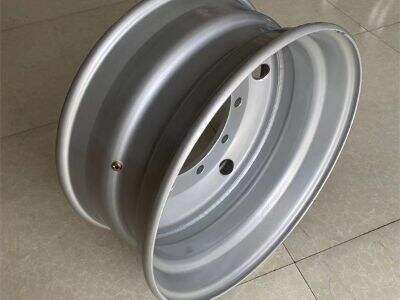
Quality assurance in truck rims sourcing goes beyond just looking at load ratings. It involves a comprehensive evaluation of the manufacturing process and materials used. High-quality rims are often made from robust materials, such as steel or aluminum, which can withstand heavy loads and harsh environments
When sourcing rims, inquire about the manufacturer’s quality control processes. For example, do they conduct rigorous testing for load capacity? Are there certifications that verify their manufacturing processes? Additionally, reviewing product specifications, such as thickness and construction methods, can provide insight into the durability and reliability of the rims
Before finalizing your order, it’s wise to request samples for inspection. This will allow you to examine the rims physically and assess factors such as finish quality and structural integrity
Installation Tips for Truck Rims Based on Load Rating Requirements
Proper installation is crucial to ensure that truck rims perform according to their load ratings. Here are some key tips
Torque Specifications: Always adhere to the manufacturer's torque specifications when installing the rims. Under-tightening can lead to loose rims, whereas over-tightening may damage the rim or hub
Inspection: After installation, conduct regular inspections for signs of wear or damage. Check the lug nuts for tightness after the first few hundred miles, as they may settle during initial use
Load Distribution: Ensure that the load is evenly distributed across the truck. Uneven loading can increase stress on specific rims, leading to potential failure
Regular Maintenance: Establish a routine for checking rims and tires, especially if the truck operates in challenging conditions. This proactive approach can help identify issues before they escalate
Common Problems with Load Ratings in Truck Rim Applications and Solutions
Despite careful selection, issues related to load ratings may still arise during truck rim applications. Common problems include
Inadequate Load Rating: Sometimes, buyers may select rims without fully understanding their load requirements, leading to premature rim failure. To mitigate this, always cross-reference the vehicle's specifications with the rim's load rating before purchase
Compatibility Issues: Different vehicles may require specific rim designs or features that align with their operational parameters. Ensure compatibility by consulting with the manufacturer or utilizing their technical expertise
Material Failures: Rims made from inferior materials may fail under load stress. To avoid this, source rims from manufacturers with a proven track record and ask about the materials used in their production processes
Lack of Maintenance: Poor maintenance can exacerbate load-related issues. Regular inspections and maintenance routines can help catch problems early on, ensuring long-term performance
By understanding these common challenges and employing proactive solutions, buyers can maximize the performance and longevity of truck rims, ultimately safeguarding their investments
Choosing the right truck rims with the appropriate load rating is essential for ensuring safety, performance, and efficiency in any application. By following the guidelines detailed, B2B buyers can make informed decisions that align with their operational needs and industry standards
Table of Contents
- How to Choose Truck Rims with the Right Load Rating for Your Needs
- Why Load Rating is Crucial for Wholesale Truck Rim Purchases
- Ensuring Quality in Truck Rim Sourcing
- Installation Tips for Truck Rims Based on Load Rating Requirements
- Common Problems with Load Ratings in Truck Rim Applications and Solutions