
 EN
EN
 AR
AR CS
CS DA
DA NL
NL FR
FR DE
DE HI
HI IT
IT JA
JA KO
KO NO
NO PL
PL PT
PT RU
RU ES
ES SV
SV TL
TL ID
ID SR
SR UK
UK VI
VI SQ
SQ HU
HU MT
MT TH
TH TR
TR AF
AF MS
MS GA
GA HY
HY BN
BN LO
LO NE
NE TE
TE MY
MY SU
SU UZ
UZ KU
KU KY
KY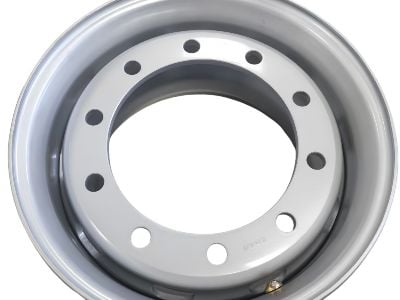
In the manufacturing and transportation industries, selecting the right components is crucial for ensuring performance and safety. One such essential component is the 22.5 truck rim, which is widely regarded as the industry standard for semi-trucks and trailers. This article will cover what buyers need to know about 22.5 truck rims, addressing their specifications, sourcing options, and safety considerations to help procurement managers make informed purchasing decisions.
Choosing the Right 22.5 Truck Rims for Your Semi-Truck and Trailers
When selecting 22.5 truck rims, buyers must consider various factors to ensure compatibility with their semi-trucks and trailers. The primary consideration is the rim's load rating, which indicates the maximum weight the rim can support. This specification is crucial because using rims that do not meet the required load capacity can lead to tire failure or accidents on the road.
Another important factor is the rim's width and diameter, which must match the tires being used. Typically, 22.5 big truck rims are designed for tires that are 22.5 inches in diameter, but widths can vary. Buyers should verify that the selected rim width aligns with the tire specifications to ensure proper tire fitment and performance.
Additionally, buyers should consider the rim's material composition. Steel and aluminum are the two most common materials used for light truck rims. Steel rims are known for their durability and resistance to damage, making them suitable for rough terrains. On the other hand, aluminum rims are lighter and can improve fuel efficiency but may not offer the same level of strength under heavy loads. Understanding these material differences is vital for making an informed decision based on specific operational needs.
What You Need to Know?
Before proceeding with a purchase, buyers should gather essential information about their requirements and preferences. Key data to consider includes:
Application: Determine whether the rims will be used for long-haul transport or local deliveries, as this may affect the choice of materials and specifications.
Weight Requirements: Calculate the total weight of the load that will be carried on the truck to ensure the chosen rims can handle the demand.
Regulatory Compliance: Check for any local regulations regarding truck rim specifications, as compliance is essential for legal operation.
Furthermore, it's advisable to consult with suppliers who can provide insights into the latest industry standards and innovations in truck rim technology. This knowledge can help optimize fleet performance and safety.
Key Specifications of 22.5 Truck Rims for Optimal Performance
When evaluating 22.5 truck rims, several key specifications play a critical role in determining their performance:
Load Capacity: This is usually measured in pounds (lbs) and indicates the maximum weight each rim can support. Buyers should confirm that the load capacity aligns with their operational needs.
Offset and Backspacing: These dimensions affect the positioning of the wheel within the wheel well. Proper offset ensures that the tires do not rub against the vehicle's body or suspension components, which can lead to premature wear or failure.
Bolt Pattern: The bolt pattern (also known as the pitch circle diameter) must match the vehicle's hub to ensure proper fitment. A mismatch can lead to installation difficulties and safety hazards.
Material and Coating: The choice of material (steel vs. aluminum) and any protective coatings (such as powder coating) can impact the rim's durability, resistance to corrosion, and overall lifespan.
Weight: While lighter rims can improve fuel efficiency, it's essential to balance weight savings with strength, especially for heavy-duty applications.
Understanding these specifications allows buyers to make informed choices that enhance safety and efficiency in their operations.
Where to Source High-Quality 22.5 Truck Rims for Your Business?
Sourcing high-quality 22.5 truck rims requires careful consideration of suppliers. Buyers should seek manufacturers with proven expertise and reliable quality assurance processes. Here are some steps to help in selecting the right supplier:
Evaluate Manufacturing Standards: Look for suppliers who adhere to recognized quality standards, such as ISO 9001, which ensures consistent quality in the manufacturing process.
Consider Customization Options: Some manufacturers, like Qingzhou Huamei Wheel, offer customization capabilities that allow buyers to tailor rims to specific requirements, including unique dimensions or materials.
Review Export Experience: Suppliers with a strong export history can provide reassurance regarding their ability to meet international shipping and regulatory standards.
Request Samples: Before making a bulk order, asking for samples to inspect quality and fitment is crucial. Testing samples under actual operating conditions can identify any potential issues before mass production.
Check Customer Reviews: Feedback from other buyers can provide insights into the supplier's reliability, product quality, and customer service.
By thoroughly vetting potential suppliers, buyers can secure high-quality rims that meet their operational needs.
Ensuring Safety and Efficiency
Safety and efficiency are paramount in the transportation industry, and the choice of 22.5 truck rims directly affects both. To ensure that rims provide optimal performance and safety, buyers should implement the following strategies:
Regular Inspections: Conduct routine inspections of truck rims for signs of wear, damage, or corrosion. Early detection of issues can prevent costly breakdowns and improve overall safety.
Proper Installation: Ensure that rims are installed by qualified personnel following manufacturer guidelines. Incorrect installation can lead to misalignment and increased wear on tires and suspension components.
Load Management: Adhere to load limits recommended by the rim manufacturer. Overloading can compromise the integrity of the rims and poses significant safety risks.
Maintenance Practices: Establish a maintenance schedule that includes checking tire pressure and rim conditions regularly. Proper tire pressure contributes to even wear and extends the life of both tires and rims.
By taking these precautions, businesses can enhance the lifespan of their 22.5 truck rims, reduce downtime, and ensure a safer operation on the road.
In summary, selecting the right 22.5 truck rims is a critical aspect of maintaining safe and efficient operations for semi-trucks and trailers. By understanding key specifications, evaluating reputable suppliers, and implementing safety practices, buyers can make informed purchasing decisions that contribute to their overall business success.