 EN
EN
 AR
AR CS
CS DA
DA NL
NL FR
FR DE
DE HI
HI IT
IT JA
JA KO
KO NO
NO PL
PL PT
PT RU
RU ES
ES SV
SV TL
TL ID
ID SR
SR UK
UK VI
VI SQ
SQ HU
HU MT
MT TH
TH TR
TR AF
AF MS
MS GA
GA HY
HY BN
BN LO
LO NE
NE TE
TE MY
MY SU
SU UZ
UZ KU
KU KY
KY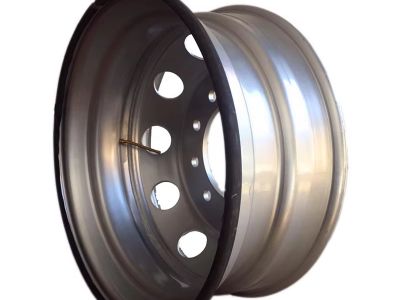
Forklift steel rims are an essential component in the operation of forklifts and other industrial machinery. Made from high-strength steel, these rims provide durability and reliability essential for demanding applications in warehouses, factories, and construction sites. B2B buyers often face concerns regarding material selection, compatibility, and installation challenges when sourcing these products. This article will explore why steel is the preferred material for forklift rims, common installation issues bulk ordering considerations, how to find reliable suppliers globally, and tips for making informed purchasing decisions.
Why Choose Steel for Forklift Rims? Benefits for Industrial Usage?
Steel is the material of choice for forklift rims due to its unmatched strength and durability. Unlike aluminum or plastic, steel can withstand heavy loads and harsh conditions, making it ideal for industrial applications where reliability is paramount. Steel rims offer several advantages, including:
Load Capacity: Steel rims are designed to support significant weight, making them suitable for heavy-duty forklifts that handle cargo in demanding environments. This high load capacity helps prevent rim deformation or failure during operation.
Impact Resistance: Steel demonstrates excellent resistance to impact, which is crucial in environments where forklifts may encounter obstacles or uneven surfaces. This characteristic reduces the risk of rim damage and enhances safety.
Cost Effectiveness: While the initial cost of steel rims may be higher than alternatives, their durability results in lower long-term maintenance and replacement costs. This can be a significant factor for companies focused on overall cost management.
Customization Options: Steel rims can be easily customized to meet specific application requirements, including variations in size, thickness, and design. This flexibility allows manufacturers such as Qingzhou Huamei Wheel to provide tailored solutions that align with a buyer's operational needs.
Corrosion Resistance: With appropriate surface treatments, such as galvanization or powder coating, steel rims can be protected from corrosion, extending their lifespan and maintaining performance in harsh environments.
Choosing steel for forklift rims ensures that businesses invest in a product that meets their operational demands while providing safety and reliability.
Common Installation Issues with Steel Forklift Rims and Solutions
While steel forklift rims offer numerous advantages, improper installation can lead to various issues that may affect performance and safety. Here are some common installation problems along with practical solutions:
Misalignment: If the rims are not aligned properly with the wheel hub, it can lead to uneven wear or premature failure. To prevent this, ensure that all components are correctly fitted, and consider using alignment tools during installation.
Inadequate Torque: Insufficient or excessive torque on the mounting bolts can compromise the integrity of the rim. It is essential to follow the manufacturer's torque specifications and use a calibrated torque wrench to achieve the right tension.
Compatibility Issues: Steel rims must be compatible with the specific make and model of the forklift. Before installation, verify that the rim specifications match the wheel hub dimensions to avoid fitting problems.
Improper Sealing: For tubeless tires, ensuring an airtight seal between the tire and rim is crucial. Check the rim’s bead seat for any debris or imperfections that could prevent a proper seal. Clean the rim thoroughly before mounting the tire.
Overlooking Weight Distribution: Uneven weight distribution on the forklift can lead to instability. When installing the rims, ensure that the load is balanced appropriately on the forklift split rims which may require adjustments to the load placement.
By being aware of these common installation issues and implementing the right solutions, buyers can enhance the longevity and performance of their steel forklift rims.
Bulk Ordering Steel Forklift Rims for Your Projects
For companies looking to procure steel forklift rims in large quantities, bulk ordering can present both challenges and opportunities. Here are some considerations to keep in mind:
Minimum Order Quantity (MOQ): Different suppliers may have varying MOQs for steel rims. Understanding the supplier's requirements can help in planning your orders and negotiating better terms. At Qingzhou Huamei Wheel, we can accommodate diverse order sizes, making it easier for you to scale your purchases.
Pricing: Bulk orders often come with discounts, but pricing can vary based on material specifications, customizations, and shipping costs. Request quotes from multiple suppliers to compare and identify the best value while ensuring quality standards are met.
Lead Times: Bulk orders typically require longer lead times due to increased manufacturing and logistics efforts. Communicate your project timelines clearly with suppliers to ensure that your order is delivered on time. Providing accurate forecasts and understanding production schedules can facilitate smoother transactions.
Quality Assurance: When ordering in bulk, the importance of quality control cannot be understated. Request samples or conduct pre-production inspections to confirm that the rims meet your specifications before full-scale manufacturing begins.
Packaging and Shipping: Proper packaging is essential to prevent damage during transport. Discuss with your supplier the most suitable packaging methods, and confirm that they can accommodate your shipping requirements, especially for international orders.
By addressing these factors, companies can streamline their bulk ordering processes, ensuring they receive high-quality steel forklift rims that meet their operational needs.
Where to Find Reliable Suppliers of Steel Forklift Rims Globally?
Finding trustworthy suppliers for steel forklift rims is crucial for ensuring consistent quality and performance. Here are some strategies to identify reliable manufacturers globally:
Industry Directories: Utilize industry-specific directories and trade platforms where manufacturers list their products. Websites such as ThomasNet or Alibaba can provide access to a wide range of suppliers specializing in industrial wheels.
Certifications: Look for suppliers with recognized quality certifications, such as ISO 9001, which indicates adherence to international quality management standards. This can be a strong indicator of a supplier's commitment to quality and reliability.
Trade Shows and Expos: Attending industry trade shows and expos offers an opportunity to meet potential suppliers face-to-face, assess their products, and discuss your specific requirements. Events focused on manufacturing and logistics can provide valuable networking opportunities.
Customer Reviews and Testimonials: Research potential suppliers by reading customer reviews and seeking testimonials from other businesses. Feedback from previous clients can provide insights into the supplier's reliability, product quality, and customer service.
Request Samples: Before committing to a large order, request samples of the forklift with rims to assess their quality firsthand. This will allow you to verify that the rims meet your specifications and performance standards.
By employing these strategies, businesses can effectively identify and evaluate potential suppliers, ensuring they partner with manufacturers capable of delivering high-quality steel forklift rims.
Making the Right Choice
When it comes to selecting steel forklift rims, making an informed decision is critical for success in industrial operations. Here are key factors to consider to help guide your purchasing process:
Performance Requirements: Assess the specific operational conditions where the rims will be used. Consider factors such as load capacity, environmental conditions, and frequency of use to determine the appropriate specifications.
Customization Needs: Determine if custom designs or dimensions are necessary for your applications. Engage with suppliers who can provide customization options to ensure that the rims fit seamlessly with your equipment.
Supplier Reputation: Evaluate the reputation of the supplier in the industry. A well-established manufacturer with a proven track record, like Qingzhou Huamei Wheel, is more likely to provide reliable products and support.
Post-Purchase Support: Consider the level of customer service and support offered by the supplier, including warranty terms, technical assistance, and after-sales service. A supplier that provides robust support can help mitigate potential issues during the product lifecycle.
Cost Analysis: While price is an important factor, it should not be the sole determinant. Analyze the total cost of ownership, including potential maintenance and replacement costs, to make a truly informed decision.
By focusing on these considerations, B2B buyers can ensure they select the right steel forklift rims that meet their operational needs and contribute to the efficiency and safety of their operations.