
 EN
EN
 AR
AR CS
CS DA
DA NL
NL FR
FR DE
DE HI
HI IT
IT JA
JA KO
KO NO
NO PL
PL PT
PT RU
RU ES
ES SV
SV TL
TL ID
ID SR
SR UK
UK VI
VI SQ
SQ HU
HU MT
MT TH
TH TR
TR AF
AF MS
MS GA
GA HY
HY BN
BN LO
LO NE
NE TE
TE MY
MY SU
SU UZ
UZ KU
KU KY
KY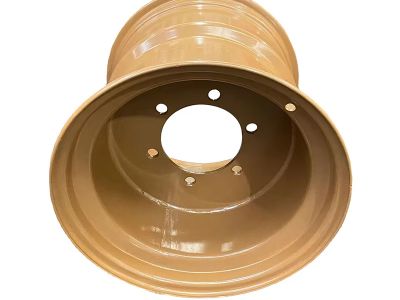
Agricultural steel rims are essential components for various farm equipment, providing structural support and enabling mobility in demanding agricultural environments. Selecting the right agricultural steel rims is crucial for ensuring compatibility with your machinery, maintaining safety standards, and optimizing operational efficiency. We will explore critical aspects of sizing and selection for agricultural steel rims, address buyer concerns such as materials and specifications, and provide practical insights to aid in your purchasing decisions.
Choosing the Right Agricultural Steel Rims for Your Equipment
When selecting agricultural steel rims, key factors include the size, load capacity, and compatibility with your specific farm equipment. Proper sizing is vital rims that are too small may not support the intended load, while those that are too large can lead to instability and excessive wear. Sizing is often determined by the tire specifications that the rims must accommodate, so always refer to your equipment manual for recommended dimensions. Load capacity is another significant consideration. Agricultural tasks often involve heavy machinery and loads, so it’s crucial to choose rims that meet or exceed the required load ratings. For instance, rims designed for high-clearance equipment may require a different load capacity than those for standard tractors. Buyers should ensure that the rim’s specifications align with the operational demands of their farm equipment, taking into account factors like terrain and usage frequency. Customization options are also available from manufacturers like Qingzhou Huamei Wheel, allowing you to tailor the rims to specific requirements, such as unique dimensions or weight capacities. Engaging with your supplier early in the selection process can help clarify these options.
Where to Find Reliable Suppliers of Agricultural Steel Rims?
Finding a trustworthy supplier is crucial for obtaining high-quality agricultural steel rims. Start by seeking manufacturers with a strong reputation in the industry and relevant certifications, such as ISO 9001, which indicate a commitment to quality standards. Look for companies that have extensive experience in the agricultural sector and a proven track record of exporting products globally. Networking at industry trade shows or agricultural fairs can also provide insights into reliable suppliers. Connecting with industry peers for recommendations can help identify manufacturers that meet your specific needs. Additionally, online platforms and directories specializing in agricultural equipment can offer listings of reputable suppliers. When evaluating suppliers, consider their production capabilities, including the range of products, customization options, and lead times. Requesting samples or visiting the manufacturing facility can provide further assurance regarding the quality and reliability of the products.
Installation Guidance for Agricultural Steel Rims on Farm Equipment
Proper installation of agricultural steel rims is critical for safety and performance. Before beginning the installation process, ensure that you have the appropriate tools and safety equipment. It’s advisable to follow the manufacturer's instructions closely, as each equipment type may have specific requirements. Begin by cleaning the hub and the rim mounting surface to remove any debris or old sealant. Ensure that the rim is aligned correctly with the hub to avoid misalignment issues that could lead to premature wear or failure. Tighten the bolts or nuts to the manufacturer’s specified torque settings, as this ensures that the rim is securely attached while preventing damage to the steel rims car or hub. After installation, it is essential to check the balance of the tire and rim assembly. An unbalanced assembly can lead to vibrations and uneven wear during operation. Regular inspections should be conducted to ensure the rims remain secure and in good condition, particularly after periods of heavy use or adverse weather conditions.
Common Problems with Agricultural Steel Rims and Their Solutions
Buyers should be aware of common issues that can arise with agricultural steel rims. One frequent problem is rim corrosion, especially in environments exposed to chemicals or moisture. Using rims made from high-quality, corrosion-resistant materials can mitigate this risk. Regular inspections and maintenance, including cleaning and applying protective coatings, can also help extend the lifespan of the rims. Another common issue is rim deformation, which can occur due to excessive load or improper installation. To avoid deformation, always adhere to the steel rims 17 load capacity and ensure that installation procedures are followed correctly. If deformation occurs, it is advisable to consult with the supplier for recommendations on repair or replacement. Tire bead seating problems can also arise, particularly if the rim size does not match the tire specifications. Ensuring that the rim is compatible with the tire and properly seated will prevent leaks and maintain pressure. In cases of persistent issues, working closely with the manufacturer can provide insights into more durable options or necessary adjustments.
Technical Knowledge on Materials Used in Agricultural Steel Rims
The materials used in manufacturing agricultural steel rims significantly affect their performance and durability. Typically, rims are made from high-strength steel, which offers excellent load-bearing capacity and resistance to impact. The choice of material should align with the operational conditions, such as exposure to corrosive substances or extreme weather. For enhanced durability, some manufacturers utilize specialized coatings or treatments, such as galvanizing or powder coating, to protect against corrosion. These treatments not only extend the lifespan of the steel rims but also improve their aesthetic appeal. When selecting materials, consider the expected operational environment. For instance, if your equipment operates in wet or chemically aggressive environments, opting for rims with superior corrosion resistance is advisable. Discussing material options with your supplier can help ensure that you choose rims that meet your specific application needs and provide reliable performance over time.
Table of Contents
- Choosing the Right Agricultural Steel Rims for Your Equipment
- Where to Find Reliable Suppliers of Agricultural Steel Rims?
- Installation Guidance for Agricultural Steel Rims on Farm Equipment
- Common Problems with Agricultural Steel Rims and Their Solutions
- Technical Knowledge on Materials Used in Agricultural Steel Rims