
 EN
EN
 AR
AR CS
CS DA
DA NL
NL FR
FR DE
DE HI
HI IT
IT JA
JA KO
KO NO
NO PL
PL PT
PT RU
RU ES
ES SV
SV TL
TL ID
ID SR
SR UK
UK VI
VI SQ
SQ HU
HU MT
MT TH
TH TR
TR AF
AF MS
MS GA
GA HY
HY BN
BN LO
LO NE
NE TE
TE MY
MY SU
SU UZ
UZ KU
KU KY
KY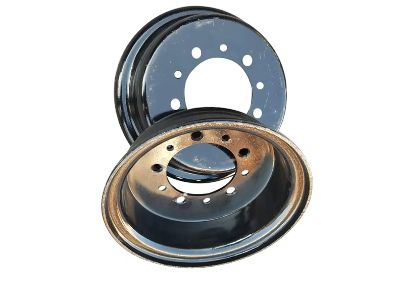
Understanding the differences between a 2 Piece Forklift Rim and a One Piece design is crucial for professionals in the manufacturing and logistics sectors. Each design offers distinct performance characteristics that can affect operational efficiency, safety, and maintenance costs. This article will help B2B buyers, purchasing managers, and engineers navigate the decision-making process when selecting forklift rims, addressing key concerns such as durability, installation, cost, and application suitability.
How to Choose Between 2 Piece and One Piece Forklift Rim Designs?
When deciding between a 2 Piece Forklift Rim and a One Piece design, consider factors like the intended application, load capacity, and maintenance requirements. One Piece rims are typically easier to install and maintain, providing a simple solution for standard operations. They offer structural integrity and are generally more robust, making them suitable for handling heavier loads. On the other hand, 2 Piece rims allow for more flexibility in terms of repairs and replacements. If a section of the forklift rims and tires gets damaged, only that part needs to be replaced rather than the entire rim. This can reduce downtime and costs in the long run, particularly for companies that operate in environments where wear and tear is common. Additionally, consider the materials used in manufacturing. Both rim types can be made from steel or aluminum, but the specific material choice will affect weight, durability, and corrosion resistance. Engaging with a supplier that offers customization options can help tailor the rims to your specific application needs.
Where to Source Quality 2 Piece and One Piece Forklift Rims Wholesale?
Sourcing quality forklift rims requires a comprehensive approach. Start by identifying reputable manufacturers and suppliers that specialize in industrial wheels. Look for companies with ISO 9001 certification, as this indicates a commitment to quality management and consistent production standards.
Online B2B marketplaces can also serve as a valuable resource for comparing manufacturers. When evaluating suppliers, consider their export experience and the markets they serve, as this can impact their ability to meet your specific requirements. Request product samples to assess quality firsthand before making a bulk purchase. Ensure the supplier provides clear documentation on material specifications, load capacities, and certifications to confirm compliance with industry standards.
Evaluating Cost Factors for 2 Piece and One Piece Forklift Rims
Cost evaluation for forklift rims involves more than just the initial purchase price. For One Piece rims, consider the long-term durability and maintenance costs, as these rims might require less frequent replacements. In contrast, while 2 Piece rims may have a lower upfront cost, you should factor in potential repair costs due to their design, which may lead to more frequent part replacements. Additionally, shipping costs can vary significantly between the two types. One Piece rims may be bulkier and heavier, increasing freight costs. Conversely, 2 piece forklift rim might be more cost-effective to ship due to their lighter weight and ability to stack, depending on the manufacturer’s packaging methods.
Engage with suppliers who can provide a breakdown of all associated costs, including any customization options, to make a fully informed decision.
Installation Guidance for 2 Piece and One Piece Forklift Rim Types
Installation procedures differ between the two rim designs. One Piece rims are generally straightforward to install, requiring basic tools and equipment. Ensure that the forklift is properly lifted and secured before removing the old rim and installing the new one. 2 Piece rims, however, require more precise alignment and may necessitate additional tools or expertise. It is critical to follow the manufacturer's installation guidelines closely to avoid misalignment, which can lead to uneven wear and potential operational hazards. Before installation, assess the condition of the forklift’s hub and ensure it is clean and free from any debris. Engaging your maintenance team or a qualified technician can help ensure proper installation and performance.
The Advantages of 2 Piece Forklift Rims in Various Applications
2 Piece Forklift Rims offer several advantages in specific applications, particularly in environments where flexibility and repair ability are paramount. For operations involving heavy loads or rugged terrain, the ability to replace only a damaged section of the rim can significantly reduce downtime and maintenance costs. These rims also allow for easier customization. For instance, you can select different materials or finishes for the inner and outer sections based on specific performance requirements, such as enhanced corrosion resistance or lighter weight for improved handling. Moreover, in applications where the forklift is frequently used for different tasks, 2 Piece forklift rims can be adapted to accommodate varying load capacities or wheel types, providing a versatile solution that can evolve with your operational needs. Understanding the differences and practical applications of 2 Piece Forklift Rims versus One Piece designs is essential for making informed purchasing decisions. By considering factors such as installation, cost, and specific application requirements, B2B buyers can ensure they select the right rim design to optimize their forklift operations.
Table of Contents
- How to Choose Between 2 Piece and One Piece Forklift Rim Designs?
- Where to Source Quality 2 Piece and One Piece Forklift Rims Wholesale?
- Evaluating Cost Factors for 2 Piece and One Piece Forklift Rims
- Installation Guidance for 2 Piece and One Piece Forklift Rim Types
- The Advantages of 2 Piece Forklift Rims in Various Applications