
 EN
EN
 AR
AR CS
CS DA
DA NL
NL FR
FR DE
DE HI
HI IT
IT JA
JA KO
KO NO
NO PL
PL PT
PT RU
RU ES
ES SV
SV TL
TL ID
ID SR
SR UK
UK VI
VI SQ
SQ HU
HU MT
MT TH
TH TR
TR AF
AF MS
MS GA
GA HY
HY BN
BN LO
LO NE
NE TE
TE MY
MY SU
SU UZ
UZ KU
KU KY
KY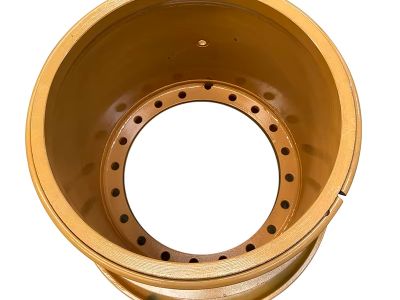
Engineering steel rims are critical components in the heavy-duty machinery used in construction and industrial applications. These rims support the weight of the machinery while ensuring durability and performance under extreme conditions. As a purchasing manager or engineer, understanding the specifications, sourcing options, installation processes, and common challenges associated with engineering steel rims is essential for making informed procurement decisions. This article will provide a comprehensive guide on engineering steel rims, focusing on the key factors to consider, where to source them, installation tips, common problems, and their applications in the construction industry.
What to Look for in Steel Rims for Heavy Equipment?
When selecting engineering steel rims for heavy equipment, several factors should be evaluated to ensure performance and safety. Firstly, consider the material used in construction. High-quality steel, often treated for strength and corrosion resistance, is preferred for its durability. Verify the rim's thickness, as thicker rims can handle higher loads and provide better resistance to deformation under stress. Dimension specifications are also crucial. The rim's diameter and width must match the tire and the vehicle’s specifications. Failing to get these measurements right can lead to improper fitment, which may affect handling and safety. Additionally, check the load rating, which indicates the maximum weight the rim can safely support. This rating must align with the anticipated loads in your specific application. Finally, assess the manufacturer’s quality control processes. An ISO 9001-certified manufacturer, like Qingzhou Huamei Wheel, ensures that products meet consistent quality standards, which can significantly reduce the risk of defects in heavy-duty applications.
Where to Source Wholesale Engineering Steel Rims for Bulk Orders?
Sourcing engineering steel rims in bulk requires careful consideration of suppliers. Start by identifying reputable manufacturers known for their quality and reliability. Look for firms with extensive export experience, particularly in regions that are relevant to your market. Companies that export to over 80 countries, such as Qingzhou Huamei Wheel, often maintain consistent quality and production standards. When sourcing, inquire about minimum order quantities (MOQs) and pricing structures. Bulk orders usually come with discounts, but it's essential to evaluate the total cost, including shipping and potential customs duties. Request samples before placing a large order to assess the quality firsthand. This step can prevent costly mistakes in your supply chain. Additionally, consider the customization options that suppliers offer. If your project requires specific dimensions or designs, working with manufacturers that provide tailored solutions can save time and ensure compatibility with your machinery.
Installation Guidance for Engineering Steel Rims on Construction Equipment
Proper installation of engineering steel rims is vital for operational safety and efficiency. Begin by ensuring that the rim and tire specifications align with the equipment. Before installation, inspect both the rims and tires for any visible defects. Any damage could compromise the performance and safety of the equipment. During the installation process, clean the mounting surfaces to prevent debris from interfering with the fit. Use appropriate tools to secure the rim to the hub, following the manufacturer’s torque specifications to avoid over-tightening, which can lead to rim deformation or bolt failure. After installation, it’s recommended to monitor the auto rims for any signs of misalignment or vibration during initial operation. Regular inspections should be scheduled to check for wear and tear, ensuring longevity and reliability in demanding conditions.
Common Problems with Steel Rims and Effective Solutions for Buyers
Buyers of engineering steel rims may encounter several issues that can impact performance. One common problem is rim corrosion, particularly in harsh environments. To mitigate this, choose rims with protective coatings or treatments that enhance resistance to chemicals, moisture, and abrasion. Another frequent issue is improper fitting, which can lead to vibrations and uneven wear. This highlights the importance of verifying dimensions and specifications before purchase. If misalignment occurs, it may be necessary to readjust or replace the rims. Cracks or deformations can occur due to excessive loads or impacts. Buyers should ensure that they are selecting rims and tires with appropriate load ratings for their specific applications. Regular inspections can help identify these issues early, allowing for timely replacement or repairs.
Applications of Engineering Steel Rims in Construction and Heavy Industry
Engineering steel rims find diverse applications in construction and heavy industry. They are commonly used in equipment such as excavators, bulldozers, and cranes, where high strength and durability are paramount. These rims support the heavy loads and harsh operating conditions typical of construction sites. In mining, engineering steel rims are essential for vehicles that operate in rugged terrains, where resistance to wear and damage is crucial. They also play a significant role in agricultural machinery, where the ability to withstand various soil conditions and loads is necessary. Understanding the specific applications of engineering steel alloy rims can guide buyers in selecting the right products. Each application may have unique requirements regarding load ratings, materials, and dimensions, making it essential to consult with manufacturers about specific needs. By focusing on these factors and leveraging insights from experienced manufacturers like Qingzhou Huamei Wheel, buyers can make informed decisions that enhance the performance and longevity of their heavy-duty machinery.
Table of Contents
- What to Look for in Steel Rims for Heavy Equipment?
- Where to Source Wholesale Engineering Steel Rims for Bulk Orders?
- Installation Guidance for Engineering Steel Rims on Construction Equipment
- Common Problems with Steel Rims and Effective Solutions for Buyers
- Applications of Engineering Steel Rims in Construction and Heavy Industry