
 EN
EN
 AR
AR CS
CS DA
DA NL
NL FR
FR DE
DE HI
HI IT
IT JA
JA KO
KO NO
NO PL
PL PT
PT RU
RU ES
ES SV
SV TL
TL ID
ID SR
SR UK
UK VI
VI SQ
SQ HU
HU MT
MT TH
TH TR
TR AF
AF MS
MS GA
GA HY
HY BN
BN LO
LO NE
NE TE
TE MY
MY SU
SU UZ
UZ KU
KU KY
KY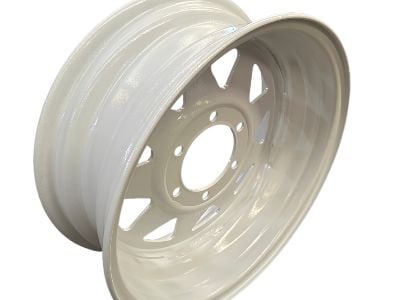
The role of steel rims in ensuring tire longevity and vehicle safety is critical, especially in sectors such as agriculture, engineering, and mining. Steel rims serve as the foundational support for tires, impacting not only how well tires perform but also how safely vehicles operate. For purchasing managers and procurement specialists, understanding the nuances of steel rims can lead to better decision-making regarding quality, compatibility, and cost-effectiveness. This article will delve into how quality steel rims contribute to vehicle safety standards, key factors for buyers, cost considerations, installation guidelines, and common problems with steel rims along with effective solutions
How Quality Steel Rims Contribute to Vehicle Safety Standards
Quality steel rims are integral to maintaining vehicle safety standards. They provide structural integrity and support the tire under various load conditions, which is especially important in heavy-duty applications like agriculture and mining. A well-manufactured steel rim ensures proper tire alignment and contact with the road, reducing the risk of blowouts and improving handling
The rim's design and material significantly influence its strength and durability. For instance, the thickness of the rim should be sufficient to withstand the stresses of off-road conditions without compromising weight. Additionally, rims must be free from defects such as cracks or warping, as these can lead to catastrophic failures. Quality control processes, such as inspections during production, are essential to ensure that these rims meet safety standards set by regulatory bodies
Key Factors for Buyers
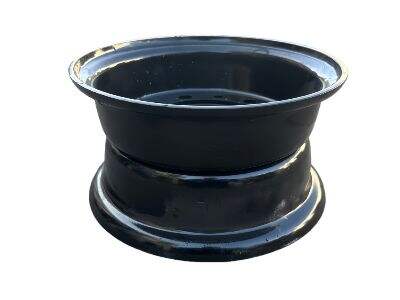
When sourcing steel rims, buyers must consider several key factors to ensure they select the right product for their needs. These factors include
Material Quality: Steel rims should be made from high-grade materials that resist corrosion and wear. The choice of steel affects the rim's strength and longevity
Specifications: Important specifications such as diameter, width, and bolt pattern must match the vehicle’s requirements to ensure compatibility. Buyers should verify these details with the manufacturer
Customization Options: Many manufacturers offer customization capabilities, allowing buyers to specify unique designs or dimensions. This is particularly useful for specialized vehicles or equipment
Certifications: Look for manufacturers that have ISO certifications, as these indicate a commitment to quality and standardized manufacturing processes
Supplier Reputation: Evaluating a supplier’s reputation through reviews and past customer experiences can provide insights into their reliability and product quality
Cost Considerations When Sourcing Steel Rims Wholesale
Cost is a significant factor when sourcing steel rims, and several elements influence pricing. While the initial purchase price is crucial, buyers should also consider long-term value
Volume Discounts: Purchasing in bulk can often lead to significant savings. Many manufacturers offer tiered pricing based on order size
Material Costs: The price of raw materials fluctuates, affecting the final cost of the rims. Steel prices can vary based on market conditions, so it’s wise to stay informed about these trends
Production Location: Manufacturing locations can impact shipping costs and lead times. Products sourced from overseas may have lower initial costs but could incur higher shipping fees and longer delivery times
Quality vs. Price: While it may be tempting to choose the cheapest option, compromised quality can lead to higher maintenance costs and shorter lifespans. Investing in high-quality rims can reduce overall expenses by minimizing replacements and repairs over time
Installation Guidelines for Optimal Performance of Steel Rims
Proper installation of steel rims is essential for optimal performance and safety. Below are key guidelines to ensure effective installation
Fitment Check: Before installation, confirm that the rim fits the tire and vehicle specifications. This includes checking the bolt pattern and ensuring the rim’s diameter matches the tire’s requirements
Torque Specifications: Adhere to the manufacturer's torque specifications when tightening lug nuts. Over-tightening can lead to rim warping, while under-tightening may result in loose wheels
Alignment and Balancing: After installation, performing a wheel alignment and balancing is crucial. This ensures even weight distribution and minimizes vibrations, enhancing tire longevity and improving handling
Routine Inspections: Regularly inspect rims for signs of wear, corrosion, or damage. Early detection of issues can prevent more significant problems down the line
Common Problems with Steel Rims and Effective Solutions
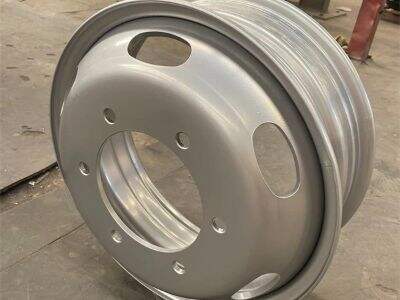
While steel rims are durable, they can encounter several common problems. Recognizing these issues early can help mitigate risks
Corrosion: Steel rims are susceptible to rust, especially when exposed to moisture and road salts. To combat this, ensure rims are properly coated with anti-corrosive treatments during manufacturing. Regular cleaning and maintenance can also prolong their life
Bending or Warping: Heavy impacts from potholes or rough terrain can bend rims. A bent rim can lead to tire leaks or performance issues. It is advisable to replace severely damaged rims rather than attempting to repair them
Cracking: Cracks can develop over time, especially in high-stress applications. Regular inspections are crucial to detect cracks early. If found, the rim should be replaced immediately to avoid tire failure
Improper Fitment: Using the wrong size or type of rim can lead to performance issues and safety hazards. Always verify fitment specifications before purchasing
By being aware of these potential problems and implementing preventive measures, buyers can ensure the longevity and reliability of their steel rims
In summary, understanding the role of steel rims in ensuring tire longevity and vehicle safety is essential for B2B buyers. By considering the quality, specifications, cost factors, installation guidelines, and common issues, purchasing managers and procurement specialists can make informed decisions that enhance vehicle performance and safety in their operations