
 EN
EN
 AR
AR CS
CS DA
DA NL
NL FR
FR DE
DE HI
HI IT
IT JA
JA KO
KO NO
NO PL
PL PT
PT RU
RU ES
ES SV
SV TL
TL ID
ID SR
SR UK
UK VI
VI SQ
SQ HU
HU MT
MT TH
TH TR
TR AF
AF MS
MS GA
GA HY
HY BN
BN LO
LO NE
NE TE
TE MY
MY SU
SU UZ
UZ KU
KU KY
KY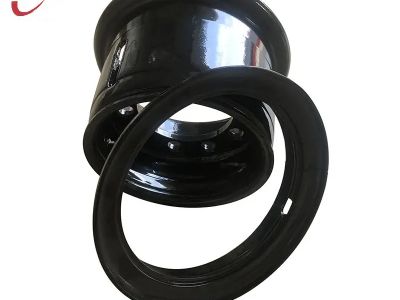
Choosing the right forklift rim for your material handling equipment is crucial in ensuring efficiency and safety in your operations. As a purchasing manager or a product manager, understanding the key specifications and features of forklift rims will help you make informed decisions that enhance performance and reduce downtime. This article will guide you through important considerations, sourcing strategies, fitting techniques, common issues and how to find trusted suppliers, ensuring that you select the right forklift rim for your needs.
Key Specifications to Consider When Selecting Forklift Rims
When selecting forklift rims, several key specifications must be evaluated to ensure compatibility and performance.
Material: Forklift rims are typically made from steel or aluminum. Steel rims offer durability and strength, making them suitable for heavy-duty applications, while aluminum rims are lighter and can provide better fuel efficiency. Consider the operational demands of your equipment when choosing the material.
Size and Dimensions: The rim size must match the specifications of your forklift’s tires. Measuring the diameter and width accurately is crucial, as mismatched sizes can lead to performance issues or even safety hazards.
Load Capacity: Each rim has a specific load rating that indicates the maximum weight it can safely support. This is essential to prevent overloading, which can lead to rim failure and costly downtime. Ensure that the selected rim meets or exceeds the load requirements of your application.
Design Features: Different designs, such as single-piece or multi-piece rims, can influence the ease of installation and maintenance. Single-piece rims tend to be stronger and easier to install, while multi-piece forklift rim may allow for easier repair and replacement of individual components.
Certification and Standards: Check if the rims comply with relevant industry standards, such as ISO certification. Quality control processes ensure that the rims meet safety and performance benchmarks, giving you peace of mind regarding their reliability.
By focusing on these specifications, you can select a forklift rim that aligns with your operational needs and safety requirements.
Sourcing Forklift Rims from Reliable Suppliers
Sourcing high-quality forklift rims requires careful consideration of potential suppliers. Here are several factors to evaluate:
Reputation and Experience: Look for suppliers with a strong track record in the industry. A reputable manufacturer, like Qingzhou Huamei Wheel, with experience in producing forklift rims will likely adhere to stringent quality control measures and offer a reliable product.
Customization Capabilities: Depending on your specific needs, you may require customized rims. Ensure that the supplier has the capability to provide tailored solutions, including 2D and 3D design options, to meet unique specifications.
Quality Assurance: Verify that the supplier has a robust quality management system, such as ISO 9001 certification. This certification indicates that the supplier maintains high standards in their manufacturing processes, which is critical for product reliability.
Lead Times and Minimum Order Quantities (MOQ): Understand the lead times for production and delivery, as well as the minimum order quantities. This ensures that you can maintain adequate inventory levels without over committing resources.
Global Reach: If you require international shipping, confirm that the supplier has experience in exporting to your region. A supplier that caters to multiple global markets will likely understand the complexities of logistics and compliance.
By thoroughly vetting suppliers based on these criteria, you can establish a partnership that supports your operational goals.
How to Properly Fit Forklift Rims?
Proper fitting of forklift rims is essential to ensure safety and performance. Follow these guidelines for a successful installation:
Pre-Installation Inspection: Before fitting the rims, inspect both the rims and tires for any damage or defects. Look for cracks, bends, and corrosion on the rims, and ensure that the tire sidewalls are free of punctures or excessive wear.
Correct Alignment: Align the rim with the tire carefully. Ensure that the valve stem is positioned correctly and that the tire bead seats evenly against the rim. Misalignment can cause uneven wear and increase the risk of tire blowouts.
Torque Specifications: Follow the manufacturer’s torque specifications when tightening the lug nuts. Over-tightening can lead to rim deformation or even breakage, while under-tightening can cause the 2 piece forklift rim to loosen during operation.
Check for Vibration: After installation, run the forklift at low speed and check for any unusual vibrations. If vibrations occur, recheck the fitting and alignment immediately.
Regular Maintenance: Establish a routine maintenance schedule to inspect the rims for signs of wear or damage. Regular checks can prevent potential issues and extend the lifespan of both the rims and tires.
By adhering to these fitting practices, you can enhance the safety and efficiency of your material handling operations.
Common Problems with Forklift Rims and Their Solutions
Understanding common issues related to forklift rims can help you address potential problems proactively:
Cracking and Deformation: Rims can crack or deform due to excessive loading or impacts. Regular inspections can help identify these issues early. If cracks are found, replace the rim immediately to avoid safety risks.
Rust and Corrosion: Exposure to moisture can lead to rust and corrosion, especially in steel rims. Ensure that rims are coated with protective finishes and consider using aluminum rims in environments prone to corrosion.
Improper Fit: If rims are not fitted correctly, it can lead to uneven tire wear and operational inefficiencies. Always adhere to proper fitting techniques and specifications to ensure a correct fit.
Loss of Air Pressure: Improper sealing between the forklift rims and tire can lead to air loss. Check the beads for proper seating, and consider using sealants or rim bands if persistent air loss occurs.
Worn Lug Nut Threads: Over time, lug nut threads can wear down, leading to a poor fit. Regularly inspect and replace lug nuts as necessary to ensure a secure fit.
By being aware of these common problems and their solutions, you can maintain optimal performance and safety in your material handling operations.
Where to Find Trusted Forklift Rim Suppliers for Your Business?
Finding reliable forklift rim suppliers is essential for ensuring quality and performance. Here are several strategies to identify trusted sources:
Industry Associations: Join industry-specific associations or networks. These organizations often provide resources and directories of reputable suppliers.
Trade Shows and Expos: Attend trade shows related to material handling and industrial equipment. These events provide opportunities to connect directly with manufacturers and suppliers, allowing you to assess their products and capabilities firsthand.
Online Marketplaces: Utilize trusted online platforms that specialize in industrial equipment. Look for suppliers with verified reviews and ratings to ensure reliability.
Recommendations from Peers: Consult with other professionals in your industry. Personal recommendations can lead you to reputable suppliers who have a proven track record.
Request Samples: Before making a large purchase request samples from potential suppliers. This allows you to evaluate product quality and ensure it meets your specifications.
By employing these strategies, you can establish relationships with trusted suppliers, ensuring the quality and reliability of your forklift rims. Choosing the right forklift rim is a critical decision that impacts the safety and efficiency of your material handling operations. By understanding the specifications, sourcing from reputable suppliers, ensuring proper fitting and being aware of common problems you can make informed choices that will benefit your business in the long term.