
 EN
EN
 AR
AR CS
CS DA
DA NL
NL FR
FR DE
DE HI
HI IT
IT JA
JA KO
KO NO
NO PL
PL PT
PT RU
RU ES
ES SV
SV TL
TL ID
ID SR
SR UK
UK VI
VI SQ
SQ HU
HU MT
MT TH
TH TR
TR AF
AF MS
MS GA
GA HY
HY BN
BN LO
LO NE
NE TE
TE MY
MY SU
SU UZ
UZ KU
KU KY
KY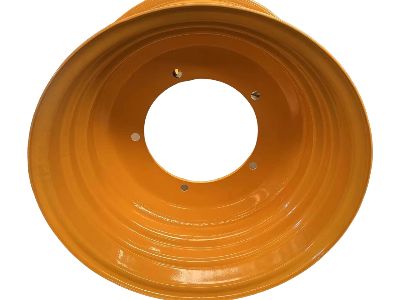
When it comes to selecting steel wheels for agricultural, engineering, and mining equipment, buyers often face a crucial decision between chrome steel wheels and painted steel wheels. One of the most important factors influencing this choice is corrosion resistance. We will explore the corrosion resistance benefits of both options, helping purchasing managers and engineers determine which type of wheel best meets their needs for durability, application suitability, and long-term performance.
What Are the Corrosion Resistance Benefits of Chrome Steel Wheels?
Chrome steel wheels are known for their superior corrosion resistance, primarily due to their surface treatment. The chrome plating creates a barrier that protects the underlying steel from moisture, chemicals, and environmental elements that can lead to rust and degradation. This is especially important in industries like agriculture and mining, where equipment is often exposed to harsh conditions, including water, soil, and corrosive materials.
Additionally, chrome steel wheels are easier to clean and maintain than painted options. The smooth, shiny surface not only enhances aesthetic appeal but also prevents dirt and grime buildup, which can trap moisture and contribute to corrosion. However, it’s essential for buyers to understand that while chrome offers excellent protection, the quality of the plating can vary. Therefore, ensuring that the steel wheels are manufactured under strict quality control standards, such as those certified by ISO 9001, is crucial for optimal performance.
How to Choose Between Chrome and Painted Steel Wheels for Durability
When evaluating chrome steel wheels versus painted steel wheels, durability is a key consideration. Painted steel wheels typically use a powder-coating process that provides a protective layer against corrosion. However, this layer can chip or wear over time, particularly in high-stress environments, exposing the underlying steel to potential corrosion.
In contrast, chrome steel wheels offer a more robust solution for environments that demand higher durability. Their resistance to chipping and scratching means that they can maintain their performance and appearance longer, reducing the frequency of replacements and repairs. Buyers should assess the specific operating conditions of their equipment and consider factors such as load, exposure to corrosive substances, and maintenance capabilities when making their choice.
Chrome Steel Wheels vs Painted Steel Wheels
The comparison between chrome steel wheels and painted steel wheels extends beyond corrosion resistance to include factors such as cost, maintenance, and application suitability.
Corrosion Resistance: As discussed, chrome steel wheels have superior corrosion resistance due to their plating, making them ideal for harsh environments. Painted steel wheel, while offering some level of protection, may require more frequent maintenance and replacement.
Cost: Chrome steel wheels tend to be more expensive than painted options due to the additional processing involved in chrome plating. However, buyers should consider the long-term cost implications, as the durability of chrome wheels can lead to lower replacement rates and maintenance costs over time.
Aesthetics: Chrome wheels offer a polished, high-end appearance that can enhance the overall look of the machinery, which may be an important factor for some buyers. Painted wheels, available in various colors, can also provide visual appeal but may not have the same level of shine and sleekness.
Weight: Depending on the specific manufacturing processes used, chrome steel wheels may have a slightly different weight than painted wheels. Buyers must evaluate whether the weight difference affects the performance of their equipment.
Application Suitability: The choice between the two also depends on the specific application. For example, in environments with high humidity or exposure to chemicals, chrome steel wheels may be more suitable, whereas painted wheels might suffice in less demanding conditions.
Installation Guidance for Chrome and Painted Steel Wheel Options
When installing either chrome or painted steel wheels, proper procedures are vital to ensure optimal performance and longevity.
Preparation: Before installation, inspect the wheels for any defects or damage. For chrome wheels, check for any imperfections in the plating that could indicate poor quality.
Compatibility: Ensure that the wheels are compatible with the existing axles and equipment. This includes verifying the correct dimensions, bolt patterns, and weight ratings.
Mounting: Use the appropriate torque specifications when mounting the wheels to avoid over-tightening, which can lead to wheel distortion or damage. It's also advisable to use a thread-locking compound on wheel bolts to prevent loosening due to vibrations.
Inspection Post-Installation: After installation, conduct a thorough inspection to ensure that the wheels are securely attached and that there are no visible gaps or misalignments.
Maintenance: Regular maintenance, including cleaning and visual inspections, will help to prolong the life of both chrome and painted wheels. For chrome 15 steel wheels, use non-abrasive cleaners to maintain the finish without damaging the surface.
Solutions for Steel Wheel Buyers
For buyers considering chrome steel wheels versus painted steel wheels, several solutions can aid in making an informed decision:
Request Samples: Before making a bulk purchase, request samples of both types of wheels to evaluate their performance under actual working conditions. This hands-on approach can provide insights into their durability and maintenance needs.
Consult with Manufacturers: Engage with manufacturers like Qingzhou Huamei Wheel, which specializes in high-quality wheel rims and can provide valuable insights into the best options based on specific applications and environmental conditions.
Evaluate Customization Options: Discuss potential customization with suppliers. Depending on the application, it may be beneficial to tailor the wheels to meet unique performance requirements.
Compare Quality Assurance Processes: Verify the quality assurance processes of potential suppliers. Ensure they follow industry standards, such as ISO 9001, to guarantee reliability and consistency.
Consider Total Cost of Ownership: Look beyond the initial purchase price and consider the total cost of ownership, including maintenance, replacement rates, and performance over time.
Choosing between chrome steel wheels and painted steel wheels involves careful consideration of corrosion resistance, durability, cost, and application suitability. By understanding the strengths and weaknesses of each option and engaging with experienced manufacturers, buyers can make informed decisions that enhance the longevity and performance of their equipment.