
 EN
 AR
 CS
 DA
 NL
 FR
 DE
 HI
 IT
 JA
 KO
 NO
 PL
 PT
 RU
 ES
 SV
 TL
 ID
 SR
 UK
 VI
 SQ
 HU
 MT
 TH
 TR
 AF
 MS
 GA
 HY
 BN
 LO
 NE
 TE
 MY
 SU
 UZ
 KU
 KY
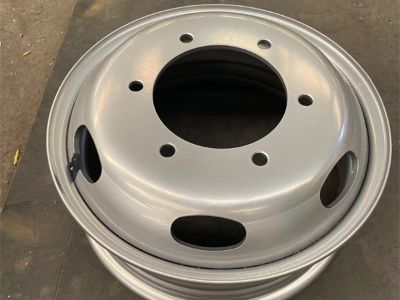
Understanding the differences between W8x48, W12x38, and W16x38 steel wheel rims is critical for buyers in the agricultural and industrial sectors. The right rim size can significantly affect the performance and compatibility of your equipment, including tractors and other heavy machinery. This guide will provide an in-depth look at the specifications, selection criteria, and common issues associated with these YAOLILAI steel rims, enabling purchasing managers, engineers, and product managers to make informed decisions.
Understanding W8x48 vs W12x38 vs W16x38 Steel Wheel Rim Specifications
When evaluating steel wheel rims like the W8x48, W12x38, and W16x38, it's essential to understand their specifications. The numbers in each rim designation indicate the rim's width and diameter in inches. For example, the W8x48 rim is 8 inches wide and has a 48-inch diameter, while the W12x38 rim measures 12 inches in width and 38 inches in diameter.
These specifications influence several performance factors:
Load Capacity: Wider rims, such as the W12x38, can generally support heavier loads compared to narrower ones. This is crucial for agricultural and industrial applications where maximum load capacity can impact efficiency and safety.
Compatibility: The rim size must match the tire specifications for optimal performance. An incompatible rim can lead to tire failure, reduced traction, and increased wear.
Center Hole Diameter: This affects how the rim fits on the wheel hub, influencing stability and safety during operation. Ensure that the center hole diameter aligns with the specifications of your equipment.
Understanding these specifications helps buyers select the appropriate rim that meets their operational requirements.
How to Choose the Right Tractor Steel Wheel Rim Size for Your Needs?
Choosing the right steel wheel rim size requires careful consideration of several factors:
Equipment Compatibility: Verify the specifications of your equipment, including the required rim width and diameter. Consult your equipment manual or manufacturer to ensure compatibility.
Load Requirements: Assess the typical loads you will be carrying. If your operations involve heavy loads frequently, opt for wider rims, like the W12x38, to enhance stability and support.
Operating Environment: Consider the conditions under which the rims will be used. For rugged terrains, a wider rim may provide better traction and durability.
Tire Selection: The rim size must be compatible with the tires you plan to use. Confirm the tire specifications prior to making a purchase.
Customization Needs: If your application has unique requirements, such as specific load ratings or dimensions, a manufacturer like Qingzhou Huamei Wheel can provide customized rim designs to meet your needs.
By evaluating these factors, buyers can make informed decisions that enhance operational efficiency and safety.
W8x48, W12x38, and W16x38 Steel Wheel Rims
The W8x48, W12x38, and W16x38 steel wheel rims each offer unique advantages suited to different applications:
W8x48: This rim is well-suited for lighter agricultural tasks or machinery that requires enhanced maneuverability. Its narrower width allows for better handling but limits load capacity.
W12x38: This is a versatile choice for many agricultural operations, providing a balance between load capacity and maneuverability. It can handle moderate to heavy loads effectively, making it suitable for various applications.
W16x38: Designed for heavy-duty tasks, the W16x38 rim is ideal for equipment that regularly operates under high load conditions. Its wider profile enhances stability and load-bearing capacity, making it the preferred choice for demanding agricultural and industrial tasks.
When selecting a rim, consider your specific application requirements and how each YAOLILAI truck rims and tires option aligns with your operational needs.
Where to Source Reliable Tractor Steel Wheel Rims in Bulk?
Sourcing reliable tractor steel wheel rims involves selecting manufacturers known for quality and consistency. Here are some key considerations:
Manufacturer Reputation: Look for manufacturers with a proven track record in producing high-quality rims. Companies like Qingzhou Huamei Wheel, which exports to over 80 countries and holds ISO 9001 certification, offer assurance of quality and reliability.
Production Capabilities: Assess the manufacturer’s production capacity and capabilities. Ensure they can meet your order quantities and timelines, particularly if you require bulk purchases.
Customization Options: If your needs are specific, ensure the manufacturer can accommodate custom designs and specifications.
Quality Control Processes: Choose manufacturers with stringent quality control measures in place. This ensures that the rims meet necessary safety and performance standards.
Customer Support: A responsive customer service team can significantly enhance the purchasing experience, helping you navigate any issues that may arise.
By carefully selecting your supplier, you can ensure a steady supply of high-quality steel wheel rims that meet your operational demands.
Common Problems with Tractor Steel Wheel Rims and Their Solutions
While steel wheel rims are critical components, they can encounter several issues that may impact performance. Here are common problems and their solutions:
Corrosion: Steel rims are prone to rust and corrosion, especially in humid or wet environments. To mitigate this, choose rims with protective coatings or consider regular maintenance practices such as cleaning and applying rust inhibitors.
Incorrect Sizing: Using rims that are not compatible with your equipment can lead to performance issues. Always verify rim specifications against your equipment's requirements before purchasing.
Cracking or Deformation: Overloading rims beyond their specified capacity can lead to structural issues. Ensure that you adhere to the load ratings specified by the manufacturer and regularly inspect rims for signs of wear or damage.
Improper Installation: Inadequate installation can lead to instability during operation. Ensure that rims are installed correctly according to the manufacturer's guidelines, and consider professional installation if necessary.
Tire Compatibility: Mismatched rims and tires can cause tire failure. Always confirm that your tire selection is compatible with the chosen rim size.
By being aware of these common issues, buyers can take proactive steps to ensure their YAOLILAI truck wheel rims perform optimally throughout their operational lifespan.
Table of Contents
- Understanding W8x48 vs W12x38 vs W16x38 Steel Wheel Rim Specifications
- How to Choose the Right Tractor Steel Wheel Rim Size for Your Needs?
- W8x48, W12x38, and W16x38 Steel Wheel Rims
- Where to Source Reliable Tractor Steel Wheel Rims in Bulk?
- Common Problems with Tractor Steel Wheel Rims and Their Solutions