
 EN
 AR
 CS
 DA
 NL
 FR
 DE
 HI
 IT
 JA
 KO
 NO
 PL
 PT
 RU
 ES
 SV
 TL
 ID
 SR
 UK
 VI
 SQ
 HU
 MT
 TH
 TR
 AF
 MS
 GA
 HY
 BN
 LO
 NE
 TE
 MY
 SU
 UZ
 KU
 KY
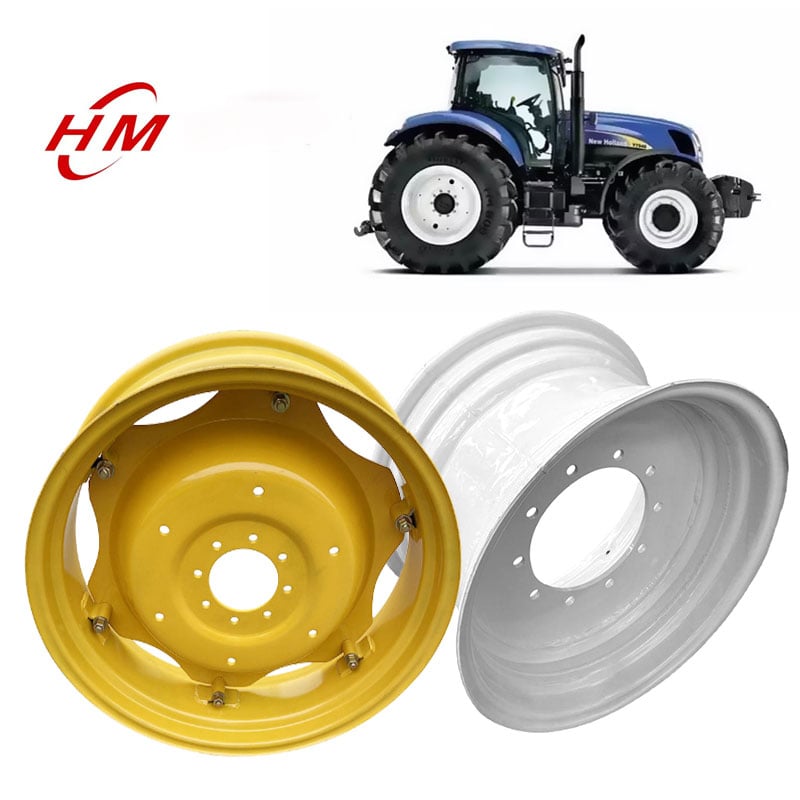
Steel wheels for trailers are vital components that play a critical role in the overall performance and safety of trailer systems. Understanding the sizing and load capacity of these wheels is essential for B2B buyers, including purchasing managers and engineers, who seek durable and reliable solutions for their transportation needs. This guide will help you navigate the important factors to consider when selecting steel wheels for trailers, ensuring that you make informed purchasing decisions that meet your operational requirements.
What Buyers Should Look For
When evaluating steel wheels for trailers, buyers should prioritize several key factors to ensure optimal performance and compatibility with their specific applications. First, consider the load capacity of the wheels, as this directly affects their performance under various weights and conditions. Each wheel is rated for a specific load limit, and exceeding this can lead to failure, compromising safety and operational efficiency.
Next, assess the wheel size, which includes both the diameter and width. Proper sizing is critical; wheels that are too small may not adequately support the load, while oversized wheels can lead to handling issues. Additionally, consider the wheel's construction material. Steel wheels are favored for their durability and strength, but variations in steel quality and coating can impact resistance to corrosion and wear.
Finally, buyers should evaluate the manufacturing processes and quality control measures employed by suppliers. Ensuring compliance with ISO certifications, like those held by Qingzhou Huamei Wheel, can provide confidence in the product's quality and reliability.
A Buyer’s Guide
Navigating the purchasing process for steel wheels involves several steps. Start by identifying the specific requirements for your application. This includes understanding the weight of the trailer, the type of cargo being transported, and any environmental factors that may affect wheel performance, such as exposure to moisture or chemicals.
When reaching out to suppliers, be prepared to provide detailed specifications, including wheel size, load capacity, and any customization needs. This information allows manufacturers to provide accurate quotes and recommendations. Additionally, consider requesting samples before making a bulk purchase. Testing samples under real-world conditions can help verify compatibility with trailers and ensure they meet performance expectations.
Also, inquire about the minimum order quantity (MOQ) and lead times, as this can affect your inventory management and budgeting. Establishing a good relationship with your supplier is vital, as they can offer insights and recommendations based on their expertise and experience in the industry.
Solutions for Trailer Users
Steel wheels are used in a variety of trailer applications, including agricultural, engineering, and mining equipment. For agricultural trailers, for instance, wheels must withstand heavy loads and rough terrain, requiring a robust design and high load capacity. Engineering trailers may prioritize wheels that offer enhanced stability and maneuverability, particularly in construction environments.
It's essential to match the wheel specifications with the intended application. For example, if a trailer will frequently operate in wet conditions, selecting wheels with additional corrosion resistance or appropriate surface treatments is advisable. Furthermore, regularly inspecting wheels for wear and damage is crucial for maintaining safety and performance over time.
Cost Considerations When Purchasing Steel Wheels in Bulk Orders
Cost is a significant factor in any B2B purchasing decision, especially when buying custom steel wheel in bulk. The price per unit typically decreases with larger orders, but this should be weighed against quality and functionality. When evaluating pricing, consider the total cost of ownership, which includes not only the purchase price but also potential maintenance, replacement costs, and the wheel's expected lifespan.
Be aware of the material and manufacturing quality, as cheaper options may lead to higher long-term costs due to increased failure rates or maintenance needs. Ensure that any pricing discussions also factor in shipping costs, as these can vary significantly based on the supplier's location and the destination.
Additionally, some manufacturers, like Qingzhou Huamei Wheel, can provide customized solutions that may offer better value for specific applications, even if the upfront cost is slightly higher. Evaluate the potential return on investment by considering how the right wheels can enhance trailer performance and reduce downtime in operations.
Which Specifications Matter Most for Buyers
When selecting steel wheels for trailers, several specifications are paramount to ensure suitability and performance. Key specifications include:
Diameter and Width: These dimensions should match the trailer’s axle and fit within its design parameters. Proper sizing ensures stability and load distribution.
Load Rating: This specification indicates the maximum weight the wheel can safely support. It is critical to choose wheels with a load rating that exceeds the expected maximum load of the trailer.
Material Composition: Steel wheels may come in different grades and finishes. Higher-grade steel typically offers better strength and resistance to deformation. Additionally, consider surface treatments like galvanization for enhanced corrosion resistance.
Bolt Pattern: The arrangement of bolt holes must match the trailer’s hub to ensure compatibility. Variations in bolt patterns can lead to installation issues and compromised safety.
Weight: The weight of the wheel itself can influence the overall trailer load and performance. Heavier wheels may provide more stability, but they can also impact fuel efficiency.
By focusing on these specifications, buyers can ensure that they choose wheels that not only meet their immediate needs but also contribute to the long-term reliability and efficiency of their trailer operations.
The selection of classic car steel wheels for trailers involves careful consideration of sizing, load capacity, material quality, and compatibility with specific applications. By following the guidelines outlined, buyers can make informed decisions that lead to successful purchasing outcomes.