
 EN
EN
 AR
AR CS
CS DA
DA NL
NL FR
FR DE
DE HI
HI IT
IT JA
JA KO
KO NO
NO PL
PL PT
PT RU
RU ES
ES SV
SV TL
TL ID
ID SR
SR UK
UK VI
VI SQ
SQ HU
HU MT
MT TH
TH TR
TR AF
AF MS
MS GA
GA HY
HY BN
BN LO
LO NE
NE TE
TE MY
MY SU
SU UZ
UZ KU
KU KY
KY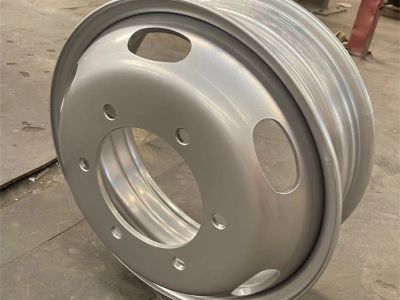
Skid Steer loader rims are critical components in heavy machinery, particularly for construction and agricultural applications. Their durability and performance directly impact operational efficiency. One significant feature to consider is the valve hole guard design, which can enhance the longevity of these wheels. This article will provide insights into why this design matters, along with key specifications, supplier reliability, installation considerations, cost factors, and various applications of skid steer loader wheels. Understanding these aspects will help purchasing managers and engineers make informed decisions.
Key Specifications for Optimal Performance
When selecting skid steer loader wheels, various specifications are essential to ensure optimal performance. Key specifications include:
Material Composition: High-quality rubber or polyurethane materials are commonly used for skid steer wheels to provide both durability and flexibility. The choice of material affects the wheel's resistance to wear and tear, which is critical in harsh working conditions.
Wheel Size: The diameter and width of the wheel should match the machinery's requirements to ensure compatibility and performance. Incorrect sizes can lead to stability issues or reduced load capacity.
Load Rating: Each wheel comes with a load rating that indicates the maximum weight it can safely support. Ensuring that the selected wheels meet or exceed the load requirements of the skid steer is crucial for preventing failures during operation.
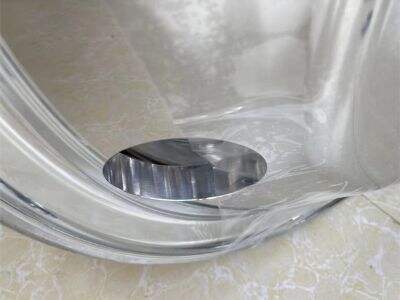
Valve Hole Guard Design: This design feature protects the valve stem from damage, which can lead to air loss and wheel failure. A well-engineered valve hole guard can significantly enhance wheel lifespan, especially in rugged environments.
Evaluating these specifications against the intended application and operational demands is vital for ensuring that the selected wheels will perform reliably over time.
What to Look for in Supplier Reliability for Heavy Equipment Wheels?
Supplier reliability is a crucial factor when purchasing skid steer loader wheels. Consider these aspects:
Certification and Standards: Seek suppliers that hold ISO 9001 certification, which indicates a commitment to quality management systems. This certification ensures that the manufacturing processes meet industry standards.
Experience and Reputation: Suppliers with a long-standing presence in the industry often demonstrate reliability in product quality and customer service. Researching customer reviews and testimonials can provide insights into a supplier’s reputation.
Customization Capabilities: Depending on the specific requirements of your application, you may need customized wheel designs. A reliable supplier should offer tailored solutions, including variations in size, material, and valve hole guard design.
Lead Time and Availability: Understanding the supplier's production capacity and lead times is essential for planning. Delays in wheel delivery can impact project timelines, so look for suppliers that can meet your schedule.
Evaluating these criteria will help ensure you partner with a supplier who can meet your needs consistently and reliably.
Installation Considerations for Skid Steer Loader Wheels and Guards
Proper installation of skid steer loader wheels and their valve hole guards is essential for optimal performance. Here are key considerations:
Alignment and Fit: Ensure that the wheels are correctly aligned with the axle. Misalignment can lead to uneven wear and potential mechanical failure. It's advisable to consult installation guidelines provided by the manufacturer.
Valve Hole Guard Positioning: The valve hole guard should be positioned correctly to protect the valve stem without obstructing access for inflation or maintenance. Proper positioning enhances the guard's effectiveness in preventing damage.
Torque Specifications: Follow the manufacturer's torque specifications when securing the wheels. Over-tightening can cause damage to the wheel or axle, while under-tightening may lead to wheel detachment during operation.
Regular Inspections: Post-installation, conducting regular inspections can help identify any issues early. Look for signs of wear, damage to the valve hole guard, or misalignment to address potential problems before they escalate.
By paying attention to these installation considerations, you can maximize the longevity and performance of your skid steer loader wheels.
Cost Factors to Evaluate When Purchasing Skid Steer Loader Wheels
When budgeting for skid steer loader wheels, consider the following cost factors:
Material Costs: The type of material used in wheel manufacturing can significantly affect pricing. Higher-grade materials may come at a premium but often provide better durability and performance, ultimately leading to cost savings in maintenance and replacements.
Customization Fees: If customized wheel designs or features are required, be prepared for additional costs. Discussing your needs upfront with the supplier can help clarify potential customization fees.
Order Volume: Many suppliers offer discounts for bulk purchases. Understanding the minimum order quantity (MOQ) can help businesses leverage cost savings, especially for organizations with large fleets.
Shipping and Handling: Factor in shipping costs, which can vary based on the supplier’s location and the size of the order. Additionally, ensure that the packaging method protects the wheels during transit to avoid any damage.
Evaluating these cost factors will help you make informed financial decisions that align with your operational budget and needs.
Applications of Skid Steer Loader Wheels in Various Industries
Skid steer loader wheels are versatile components utilized across multiple industries. Some common applications include:
Construction: In construction, skid steer loaders equipped with robust wheels are essential for moving materials, grading surfaces, and digging. The ability to navigate rough terrains makes these wheels invaluable on job sites.
Agriculture: Farmers use skid steers for various tasks, including landscaping, transporting feed, and managing livestock. The durability of the wheels ensures reliability in diverse agricultural environments.
Mining and Quarrying: In the mining sector, skid steer loaders are employed for hauling materials and performing maintenance. The valve hole guard design is particularly beneficial in these settings, as it protects the wheels from harsh conditions that could result in valve damage.
Landscaping and Snow Removal: Landscape professionals and snow removal services depend on wheel loader tires for sale for efficient operation. The right wheels enhance maneuverability, allowing for effective clearing and maintenance tasks.
Understanding the specific applications of skid steer loader wheels across various industries can help buyers choose the appropriate specifications and designs to meet their operational demands effectively.
Table of Contents
- Key Specifications for Optimal Performance
- What to Look for in Supplier Reliability for Heavy Equipment Wheels?
- Installation Considerations for Skid Steer Loader Wheels and Guards
- Cost Factors to Evaluate When Purchasing Skid Steer Loader Wheels
- Applications of Skid Steer Loader Wheels in Various Industries