
 EN
EN
 AR
AR CS
CS DA
DA NL
NL FR
FR DE
DE HI
HI IT
IT JA
JA KO
KO NO
NO PL
PL PT
PT RU
RU ES
ES SV
SV TL
TL ID
ID SR
SR UK
UK VI
VI SQ
SQ HU
HU MT
MT TH
TH TR
TR AF
AF MS
MS GA
GA HY
HY BN
BN LO
LO NE
NE TE
TE MY
MY SU
SU UZ
UZ KU
KU KY
KY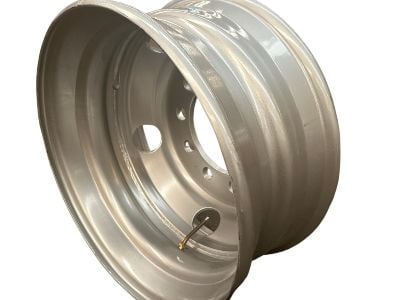
Ensuring quality in custom orders is paramount for B2B buyers seeking steel wheels from manufacturers, particularly in a competitive market like China. This article explores how Chinese steel wheel manufacturers, such as Qingzhou Huamei Wheel, implement rigorous quality control measures throughout the production process. You'll understand key factors that affect your purchasing decisions, from specifications and materials to supplier evaluation and cost considerations
How Chinese Steel Wheel Manufacturers Ensure Quality in Custom Orders
Chinese steel wheel manufacturers employ a variety of strategies to ensure the quality of custom orders. At the heart of these strategies is a commitment to established quality control processes. Manufacturers typically utilize ISO 9001 certified systems, which outline specific quality management principles. This certification ensures that the manufacturer maintains consistent quality, promotes continuous improvement, and meets customer requirements effectively
To ensure quality, manufacturers often conduct thorough inspections at different stages of production. This includes checking raw materials for compliance with specified standards, monitoring the manufacturing process for adherence to technical specifications, and conducting final inspections before shipment. By implementing these measures, manufacturers can address potential issues early, reducing the risk of defects and ensuring that the final products meet the desired specifications
Understanding Quality Control Measures in Steel Wheel Production
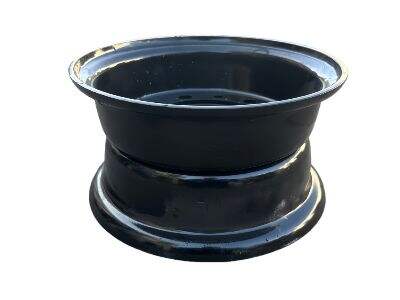
Quality control in steel wheel production encompasses several critical measures, from material selection to production techniques. Steel wheels must withstand significant operational stresses, especially in applications like agriculture, engineering, and mining. As a result, choosing high-quality materials is essential. Common materials include carbon steel, which offers strength and durability, and various surface treatments that enhance corrosion resistanc
Manufacturers also employ advanced production technologies, such as CNC machining and automated welding, to achieve precise dimensions and consistent quality. Each wheel is designed according to specific load-bearing requirements, and this is validated through rigorous testing. Quality control measures also involve verifying that all dimensions and tolerances are within specified limits. For buyers, understanding these measures can provide confidence that the products meet their operational needs
Choosing the Right Supplier for Custom Steel Wheel Orders
Selecting the right supplier for custom steel wheel orders is a crucial decision for buyers. Factors to consider include the manufacturer’s production capabilities, experience in the industry, and quality assurance practices. A reputable manufacturer will provide detailed information about their production processes, including any certifications that validate their quality control measures
Additionally, it is beneficial to assess the supplier's track record in handling custom orders. Buyers should request references or case studies that demonstrate the supplier’s ability to cater to specific requirements and deliver on time. A visit to the manufacturing facility can also provide insight into the production environment and the technologies being employed
Furthermore, communication is key. A supplier who is responsive and willing to engage in detailed discussions about your project specifications can help ensure that your unique needs are met, reducing the likelihood of misunderstandings during production
What to Look for in Steel Wheel Specifications for Your Projects
When evaluating steel wheel specifications, several critical factors should be considered to ensure compatibility with your project requirements. Key specifications include wheel size, load capacity, material type, and surface treatment. Each of these factors plays a significant role in the wheel's overall performance and suitability for specific applications
Wheel Size and Dimensions: Ensure that the wheel dimensions meet the requirements of your machinery. This includes diameter, width, and bolt pattern. An improper fit can lead to operational inefficiencies or equipment damage
Load Capacity: Confirm that the wheel can support the expected load. Steel wheels are rated for specific weight limits, and exceeding these limits can lead to failures
Material and Treatment: The choice of steel type and surface treatment affects durability and resistance to environmental factors. For example, galvanized wheels offer better corrosion resistance, which is crucial for outdoor applications
Customization Options: Discuss options for customization, such as specific colors or finishes, to ensure the wheels align with your branding or functional requirements
By thoroughly reviewing these specifications before placing an order, buyers can avoid potential performance issues and ensure that the wheels will meet their operational needs
Cost Factors to Consider When Sourcing Steel Wheels Wholesale
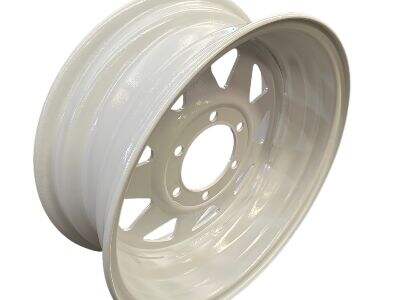
When sourcing steel wheels wholesale, various cost factors come into play that can impact your overall budget. Understanding these factors can help buyers make informed decisions and avoid unexpected expenses
Material Cost: The type of steel and any special treatments used will significantly affect the cost. Higher-quality materials may come at a premium but can provide better performance and durability
Production Volume: Many manufacturers have minimum order quantities (MOQs) which can influence pricing. Larger orders typically reduce the per-unit cost, but buyers should balance this with their actual needs to avoid over-purchasing
Customization: Custom designs or specific requirements often incur additional charges. Buyers should clarify any customization costs upfront to account for them in their budget
Shipping and Logistics: Consider the costs associated with shipping, including freight charges and any duties or tariffs for international shipments. Understanding these costs will help provide a clearer picture of the total expenditure
Lead Times: Longer lead times might result in expedited shipping fees or the need for temporary solutions while waiting for the order. Ensure that lead times align with your project timelines to avoid delays
By carefully evaluating these cost factors, buyers can better manage their budgets and ensure a smooth procurement process
Table of Contents
- How Chinese Steel Wheel Manufacturers Ensure Quality in Custom Orders
- Understanding Quality Control Measures in Steel Wheel Production
- Choosing the Right Supplier for Custom Steel Wheel Orders
- What to Look for in Steel Wheel Specifications for Your Projects
- Cost Factors to Consider When Sourcing Steel Wheels Wholesale