
 EN
EN
 AR
AR CS
CS DA
DA NL
NL FR
FR DE
DE HI
HI IT
IT JA
JA KO
KO NO
NO PL
PL PT
PT RU
RU ES
ES SV
SV TL
TL ID
ID SR
SR UK
UK VI
VI SQ
SQ HU
HU MT
MT TH
TH TR
TR AF
AF MS
MS GA
GA HY
HY BN
BN LO
LO NE
NE TE
TE MY
MY SU
SU UZ
UZ KU
KU KY
KY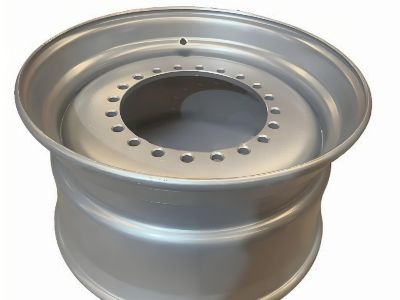
When considering the best options for steel wheels, manufacturers often weigh the benefits of OEM steel wheels versus aftermarket alternatives. Understanding which option offers better value involves assessing factors like quality, specifications, and application suitability. This article will explore these aspects to help purchasing managers, engineers, and product managers make informed decisions, ensuring they select the steel wheels that best fit their manufacturing needs.
How to Choose the Right Steel Wheels for Your Manufacturing Needs?
Choosing the appropriate steel wheels involves several critical considerations to ensure functionality, durability, and compatibility with machinery. First, identify the specific application for the custom wheel, such as for agricultural, engineering, or mining equipment. Each application has unique load requirements, environmental conditions, and performance expectations.
Next, consider the wheel's material and design. Steel wheels are often preferred for their strength and resilience, especially in demanding applications. Evaluate the wheel's thickness, diameter, and weight capacity, as these specifications directly impact performance and safety. Customization options may also be necessary, depending on the specific equipment and operational requirements.
Lastly, consult with manufacturers to understand their production capabilities and quality control processes. A reputable manufacturer, like Qingzhou Huamei Wheel, can provide insights into their materials, manufacturing methods, and the potential for tailored designs to meet your needs.
Evaluating the Quality of OEM vs Aftermarket Steel Wheels for Bulk Orders
Quality is a paramount concern when purchasing steel wheels, especially for bulk orders. OEM (Original Equipment Manufacturer) steel wheels are designed to meet the manufacturer's specifications for specific equipment, ensuring a precise fit and reliable performance. These wheels typically undergo rigorous testing and quality assurance processes, often backed by industry certifications such as ISO 9001.
In contrast, aftermarket steel wheels can vary significantly in quality. While some aftermarket options may offer cost savings, the risk of inferior materials or subpar manufacturing standards can lead to issues such as premature wear or failure under load. When evaluating aftermarket options, scrutinize the manufacturer's reputation, quality control practices, and customer reviews to ensure you're choosing a reliable product.
For bulk orders, it is essential to assess the overall value, not just the upfront cost. Consider factors such as longevity, warranty provisions, and the potential costs associated with replacements or repairs. A well-made OEM steel oem wheels may provide better value in the long run due to its durability and reliability under stress.
Common Installation Issues with Steel Wheels and Their Solutions
The installation of steel wheels can sometimes present challenges that, if not addressed, can lead to performance issues or damages. One common problem is misalignment during installation, which can cause uneven wear and stress on the wheel. To mitigate this, ensure that the mounting surfaces are clean and free of debris, and utilize proper alignment tools during installation.
Another issue is the compatibility of wheel fittings with different machinery models. It's crucial to verify that the wheel specifications match the equipment’s requirements, including bolt patterns and hub dimensions. Before installation, confirm these specifications with the manufacturer's documentation or consult directly with the supplier.
Additionally, pay attention to torque specifications when securing wheel nuts. Improper torque can lead to wheel detachment or damage. Manufacturers often provide guidelines for the correct torque settings, which should always be followed.
Specifications to Consider When Comparing OEM and Aftermarket Steel Wheels
When comparing OEM and aftermarket steel wheels, several key specifications should be evaluated to ensure the right choice for your application. These include:
Material Composition: OEM wheels are typically manufactured from high-quality steel designed for specific performance characteristics. In contrast, aftermarket wheels may use lower-grade materials that can compromise strength and longevity.
Load Ratings: Verify the load ratings for both OEM and aftermarket options. The load rating indicates the maximum weight the wheel can safely support and is crucial for ensuring safe operation in heavy-duty applications.
Dimensions: Pay close attention to the diameter, width, and offset of the wheels. These dimensions affect the compatibility with your equipment and overall performance.
Finish and Coating: The surface treatment of the wheels can impact resistance to corrosion and wear. OEM wheels often come with protective coatings that enhance durability, while aftermarket finishes may vary.
By thoroughly comparing these specifications, manufacturers can better determine which steel wheels will provide the required performance and durability for their operations.
Applications of OEM and Aftermarket Steel Wheels in Various Industries
Both OEM and aftermarket steel wheels find applications across a variety of industries, including agriculture, construction, and mining. In agricultural settings, OEM steel wheels are commonly used on tractors and other machinery where specific load handling and durability are essential. Their design ensures optimal performance in challenging conditions, such as muddy or uneven terrains.
In the construction industry, steel wheels are critical for heavy machinery such as excavators and loaders. OEM wheels ensure compatibility and reliable performance, thereby reducing downtime and maintenance costs. Conversely, aftermarket wheels may be appealing for less critical applications or older equipment where OEM parts are no longer available.
Mining operations also rely heavily on high-quality steel wheels, as they must withstand extreme conditions, including heavy loads and abrasive materials. OEM wheels typically provide the necessary strength and reliability, while aftermarket wheels can serve as cost-effective alternatives for non-critical equipment.
Ultimately, the choice between OEM and aftermarket steel wheels depends on the specific requirements of the application, including performance expectations, budget constraints, and the availability of parts.
By understanding these various facets of OEM steel wheels versus aftermarket options, manufacturers can make informed decisions that enhance operational efficiency and long-term value. Whether for agricultural, engineering, or mining applications, selecting the right steel wheels is crucial to the success of any manufacturing operation.
Table of Contents
- How to Choose the Right Steel Wheels for Your Manufacturing Needs?
- Evaluating the Quality of OEM vs Aftermarket Steel Wheels for Bulk Orders
- Common Installation Issues with Steel Wheels and Their Solutions
- Specifications to Consider When Comparing OEM and Aftermarket Steel Wheels
- Applications of OEM and Aftermarket Steel Wheels in Various Industries