
 EN
 AR
 CS
 DA
 NL
 FR
 DE
 HI
 IT
 JA
 KO
 NO
 PL
 PT
 RU
 ES
 SV
 TL
 ID
 SR
 UK
 VI
 SQ
 HU
 MT
 TH
 TR
 AF
 MS
 GA
 HY
 BN
 LO
 NE
 TE
 MY
 SU
 UZ
 KU
 KY
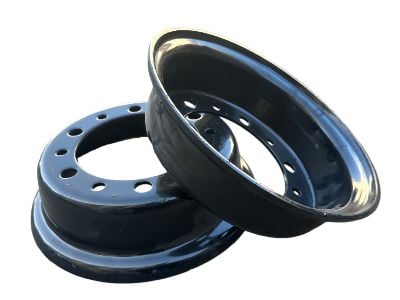
Before signing a supply contract for steel rims, it is crucial for buyers to ensure that they are investing in high-quality products that meet their specific needs. This article will guide you on how to verify steel rims quality, addressing common buyer concerns such as material specifications, manufacturing processes, and supplier reliability. By understanding the critical aspects of steel rim evaluation, you can make informed purchasing decisions that align with your project requirements.
How to Choose Steel Rims That Meet Your Project Specifications
Selecting the right steel rims begins with understanding your project's specific requirements, including load capacity, size, and application. Different industries have varying standards, so it's essential to consider the intended use whether for agricultural, engineering, or mining equipment.
Load Capacity: Determine the maximum weight that the rims need to support. This affects the material choice and design specifications.
Dimensions: Ensure that the rims fit the equipment properly. Measure the hub diameter, bolt pattern, and offset to avoid compatibility issues.
Material Quality: Steel rims should be made from high-grade materials that provide durability and resistance to corrosion, especially in harsh environments.
Design Features: Depending on the application, you might require specific design features such as double-walled rims for increased strength or specific coatings to enhance longevity.
By clearly defining these specifications, you can streamline the selection process and ensure that the rims will perform effectively in their intended environment.
Key Quality Indicators for Evaluating Steel Rim Suppliers
When assessing potential suppliers for steel rims, focus on key quality indicators that reflect their manufacturing capabilities and product consistency. Important factors include:
Certifications: Look for suppliers with ISO 9001 certification, which indicates a commitment to quality management processes. This certification can be a strong indicator of adherence to international quality standards.
Production Equipment: Inquire about the machinery used in the manufacturing process. Advanced equipment can enhance precision and reduce variations in product quality.
Quality Control Processes: Understand the supplier's quality assurance protocols. Regular inspections, testing of materials, and adherence to production standards are essential for maintaining product integrity.
Experience and Reputation: Evaluate the supplier’s experience in the industry and their track record with previous clients. Customer reviews and testimonials can provide insights into their reliability and product quality.
By focusing on these quality indicators, you can better assess whether a supplier can meet your standards and deliver consistent, high-quality custom steel rims.
Where to Find Reliable Suppliers for Steel Rim Purchases?
Finding reliable suppliers for steel rims can be a challenge, but there are several effective strategies:
Industry Trade Shows: Attending industry-specific exhibitions allows you to meet manufacturers and suppliers face-to-face. This provides an opportunity to evaluate their products directly and ask questions about their manufacturing processes.
Online Marketplaces: Platforms like Alibaba or ThomasNet can connect you with a variety of suppliers. Look for those with robust profiles, positive ratings, and a history of successful transactions.
Industry Associations: Joining industry associations can offer networking opportunities and access to a list of reputable suppliers who are committed to quality standards.
Referrals: Seek recommendations from industry peers or colleagues who have previously purchased steel rims. Personal experiences can provide valuable insights into a supplier's trustworthiness.
By utilizing these channels, you can compile a list of potential suppliers and further evaluate their offerings based on your project needs.
Common Problems with Steel Rims and Their Solutions
Buyers often encounter various issues with steel rims that can impact their performance and longevity. Here are some common problems and recommended solutions:
Corrosion: Steel rims are susceptible to rust and corrosion, especially in environments exposed to moisture or chemicals. To mitigate this, ensure that the rims have appropriate surface treatments such as galvanization or powder coating.
Misalignment: Improper installation can lead to misalignment, causing uneven wear and potential failure. Always verify that the rims are installed according to manufacturer specifications and ensure proper fitment to the equipment.
Cracking or Deformation: Heavy loads can cause steel rims to crack or deform. Regularly inspect rims for signs of wear and tear, and replace them immediately if any structural integrity issues are detected.
Weight Limit Failures: Using rims beyond their rated load capacity can lead to catastrophic failures. Confirm the weight ratings provided by the manufacturer and ensure they align with your application requirements.
By being aware of these common problems and their solutions, you can take proactive measures to ensure the longevity and reliability of your solid steel rims.
Expert Tips for Verifying Steel Rim Quality Before Purchase
Before finalizing a purchase, it’s essential to conduct thorough quality verification. Here are expert tips to ensure you are acquiring high-quality steel rims:
Request Samples: Always request samples before committing to a bulk order. This allows you to assess the quality of materials, dimensions, and overall construction.
Conduct Visual Inspections: Check for any visible defects, such as weld quality, surface finish, and uniformity. Ensure that there are no signs of rust or corrosion on the surface.
Verify Specifications: Cross-check the specifications provided by the supplier against your project requirements. This includes dimensions, material grades, and load capacity.
Ask for Testing Reports: Request any available testing reports that demonstrate the rims' performance under specific conditions. This may include tensile strength tests or fatigue testing results.
Check Warranty and Return Policies: Understand the warranty terms and return policies in case the product does not meet your expectations upon arrival. A reputable supplier will have clear terms and conditions.
By following these verification steps, you can significantly reduce the risk of receiving subpar products and ensure that your steel rims meet the necessary quality standards before signing a supply contract.