
 EN
EN
 AR
AR CS
CS DA
DA NL
NL FR
FR DE
DE HI
HI IT
IT JA
JA KO
KO NO
NO PL
PL PT
PT RU
RU ES
ES SV
SV TL
TL ID
ID SR
SR UK
UK VI
VI SQ
SQ HU
HU MT
MT TH
TH TR
TR AF
AF MS
MS GA
GA HY
HY BN
BN LO
LO NE
NE TE
TE MY
MY SU
SU UZ
UZ KU
KU KY
KY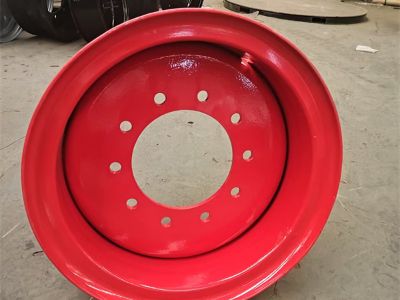
Choosing a reliable steel rims wholesale supplier is crucial for businesses involved in agriculture, engineering, and mining equipment. The right supplier ensures that you receive high-quality products that meet your operational needs, thus minimizing downtime and maximizing productivity. This article will guide you through essential considerations when selecting a long-term supplier partnership, focusing on key specifications, sourcing options, installation guidelines, and common issues related to steel rims.
What to Look for When Choosing a Steel Rims Wholesale Supplier?
When evaluating potential suppliers for steel rims, several factors should be prioritized. First, assess the supplier's manufacturing capabilities and experience in producing wheel rims specifically for your industry. A manufacturer with a proven track record in agricultural, engineering, or mining applications can provide insights into material suitability and design.
Second, review their quality assurance processes. Certifications such as ISO 9001 indicate a commitment to maintaining high production standards. This is critical, as quality issues can lead to operational disruptions and increased costs.
Lastly, consider the supplier's ability to provide customized solutions. Whether you need specific dimensions, load capacities, or finishes, a supplier that offers tailored products can significantly enhance the compatibility of stainless steel rims with your equipment.
Key Specifications to Consider for Steel Rims in Bulk Purchases
Understanding the specific requirements of steel rims is crucial when planning bulk purchases. Key specifications include:
Material: High-quality steel is essential for durability and strength. Verify that the rims are made from materials that can withstand the stresses of their intended applications, such as high impact and corrosive environments.
Dimensions: Accurate measurements, including diameter, width, and offset, are vital for ensuring proper fitment on your equipment. Small discrepancies can lead to performance issues or damage during operation.
Load Capacity: Each rim should have a defined load rating that aligns with the equipment it will support. Failure to match load capacities can lead to catastrophic failures.
Surface Treatment: Rims often undergo surface treatments to enhance corrosion resistance. Confirm that the supplier's processes meet the environmental conditions your rims will face.
Production Capacity and Lead Times: Understanding the supplier's production capacity ensures they can fulfill orders promptly. This is particularly important for businesses that require a steady supply of custom steel rims.
Where to Source Reliable Steel Rims for Your Projects?
Sourcing reliable steel rims can be approached through various channels. Directly contacting manufacturers, such as Qingzhou Huamei Wheel, is one effective strategy. Manufacturers can offer competitive pricing, especially for bulk orders, and provide insights into customization options.
Trade shows and industry exhibitions are also excellent venues for finding suppliers. Engaging with suppliers face-to-face allows you to assess product quality and build relationships.
Online B2B marketplaces can broaden your search, offering access to numerous suppliers. However, it's essential to conduct thorough research and due diligence to ensure the supplier's credibility and product quality.
Understanding Installation Guidelines for Steel Rims in Various Applications
Proper installation of steel rims is critical to ensure safety and performance. Begin by reviewing the manufacturer's installation guidelines, which typically include torque specifications and recommended tools.
For agricultural applications, focus on aligning the rim with the hub correctly and ensuring that all fasteners are torqued to the specified values. In engineering and mining contexts, it may be necessary to consider the operating environment, such as exposure to extreme conditions that could affect installation.
Before mass production, it is advisable to conduct a trial installation with a sample rim. This helps to identify any potential issues with fitment or compatibility with existing equipment.
Common Problems with Steel Rims and Effective Solutions for Buyers
Buyers should be aware of common problems that can arise with steel rims, as these can significantly impact operations.
Corrosion: Steel rims are susceptible to rust if not properly coated. Ensure that your supplier uses high-quality surface treatments to mitigate this risk. Regular maintenance and inspections can also help catch corrosion early.
Misalignment: Improper alignment during installation can lead to uneven wear and premature failure. Always follow installation guidelines and double-check alignment before operation.
Cracking: Fatigue cracks can form if the rim is subjected to loads beyond its rated capacity. Ensure that your supplier provides accurate load ratings, and regularly assess the rims during operation.
Defective Manufacturing: Occasionally, defects can occur in the manufacturing process. Conduct thorough quality inspections of received goods and establish a clear return policy with your supplier for defective items.
By addressing these common issues proactively, you can extend the lifespan of your rims and maintain operational efficiency.
establishing a long-term partnership with a steel rims wholesale supplier requires careful consideration of several key factors, including manufacturing capabilities, material specifications, and effective problem-solving strategies. By following the guidance, B2B buyers can make informed decisions that contribute to the overall success and reliability of their equipment operations.
Table of Contents
- What to Look for When Choosing a Steel Rims Wholesale Supplier?
- Key Specifications to Consider for Steel Rims in Bulk Purchases
- Where to Source Reliable Steel Rims for Your Projects?
- Understanding Installation Guidelines for Steel Rims in Various Applications
- Common Problems with Steel Rims and Effective Solutions for Buyers