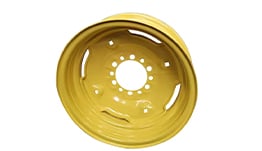
ສຳລັບຜູ້ຈັດຈຳຫນ່າຍ ຜູ້ປະກອບການຟາມ ແລະ ຜູ້ຈັດຈຳຫນ່າຍອຸປະກອນທີ່ຊື້ແຖວລ້ອມເຫຼັກເພື່ອເຮັດໃຫ້ເປັນແຖວລ້ອມທີ່ເສຍຫາຍ ຊ່ອງຫວ່າງລະຫວ່າງວົດຈັກການຈັດຊື້ທີ່ລຽບງ່າຍ ແລະ ການຢຸດດຳເນີນງານທີ່ເສຍຄ່າມັກຈະຂຶ້ນກັບສາມປັດໄຈ: ຂໍ້ມູນການຕິດຕັ້ງທີ່ຖືກຕ້ອງ, ຄຸນນະພາບທີ່ສະເໝືອນກັນ, ແລະ ສາງສິນຄ້າທີ່ເຊື່ອຖືໄດ້. ສຳນັກງານ Huamei Wheel ຜະລິດແຖວລ້ອມເຫຼັກສຳລັບເຄື່ອງຈັກກະສິກຳ, ເຄື່ອງຂຸດຂຸດ, ເຄື່ອງຍົກ, ລົດເປີດ, ແລະ ລົດສົ່ງສິນຄ້າ – ສີ່ດ້ານທີ່ແຕກຕ່າງກັນ, ແຕ່ລະດ້ານມີມາດຕະຖານຂະໜາດ, ຄວາມຕ້ອງການນ້ຳໜັກ, ແລະ ຄວາມຕ້ອງການການນຳໃຊ້ທີ່ແຕກຕ່າງກັນ. ຄູ່ມືນີ້ອະທິບາຍວ່າຜູ້ຊື້ຄວນຢືນຢັນຫຍັງກ່ອນຈະສັ່ງຊື້, ພາລາມິເຕີໃດທີ່ສຳຄັນທີ່ສຸດຕາມການນຳໃຊ້, ແລະ ວິທີຈັດຕັ້ງການຈັດຊື້ເພື່ອຫຼຸດຜ່ອນຄວາມສ່ຽງດ້ານການຈັດສົ່ງ.
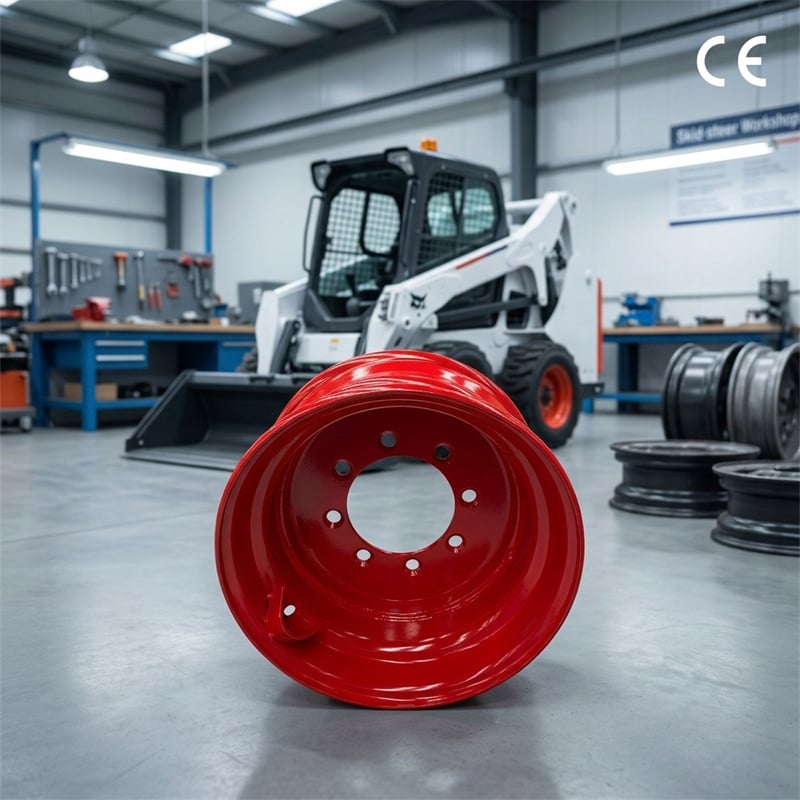
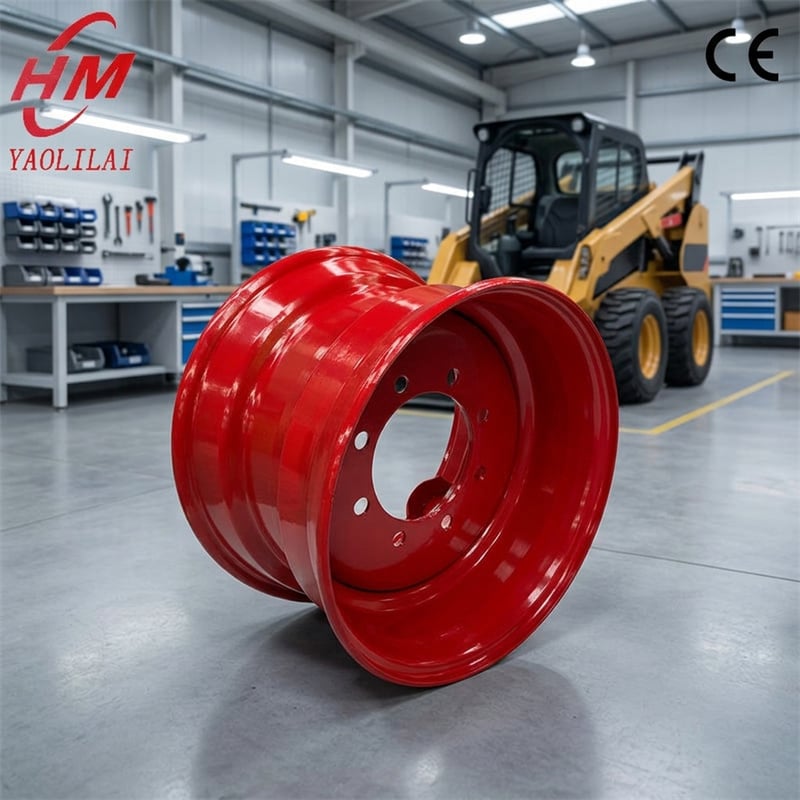
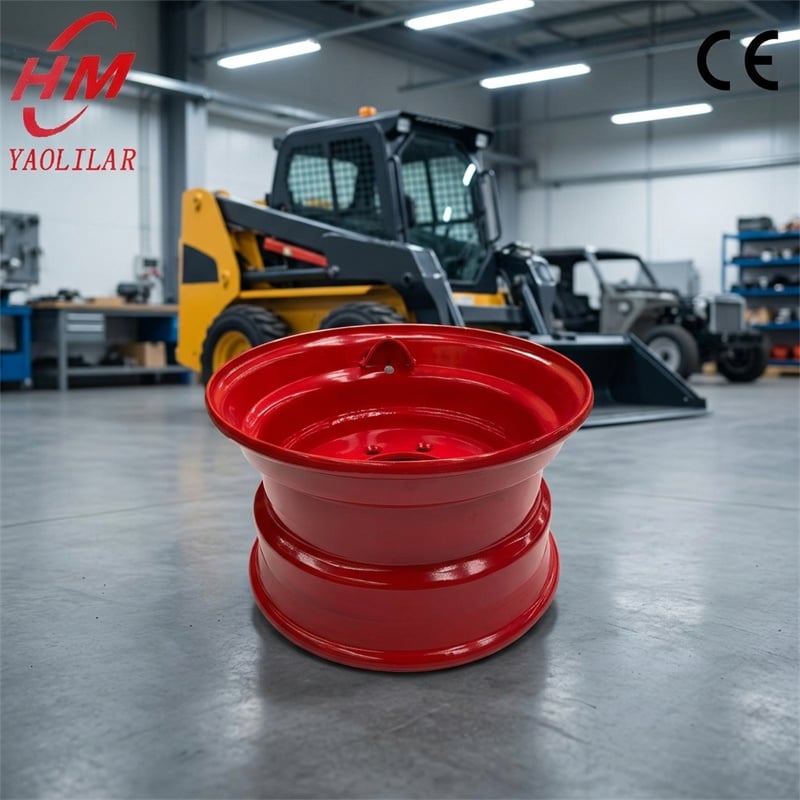
ບ່ອນນຳໃຊ້: ຄອບຄົວຜະລິດຕະພັນດຽວ ແຕ່ມີຄວາມຕ້ອງການຫ້າປະເພດທີ່ແຕກຕ່າງກັນ
ແຖບລ້ອມເຫຼັກບໍ່ໄດ້ເປັນປະເພດທີ່ໃຊ້ໄດ້ທັງໝົດ. ແຖບລ້ອມຂອງເຄື່ອງຈັກກະສິກຳທີ່ເຮັດວຽກໃນທົ່ງທີ່ເປື່ອຍເຕັມໄປດ້ວຍດິນເປື່ອຍໃນຄວາມເລັກນ້ອຍ ມີຮູບແບບຂອງຄວາມເຄັ່ນເຄື່ອນທີ່ແຕກຕ່າງຢ່າງສິ້ນເຊີງຈາກແຖບລ້ອມຂອງລົດບັນທຸກທີ່ຕ້ອງຮັບຄວາມເຄັ່ນເຄື່ອນຈາກຄວາມໄວສູງໃນທາງດ່ວນໃຕ້ນ້ຳໜັກຫຼາຍ. ພາກລຸ່ມນີ້ຈະສະແດງໃຫ້ເຫັນວ່າຄວາມຕ້ອງການຕໍ່ແຖບລ້ອມປ່ຽນແປງແນວໃດໃນຫ້າດ້ານການນຳໃຊ້ທີ່ພວກເຮົາໃຫ້ບໍລິການ.
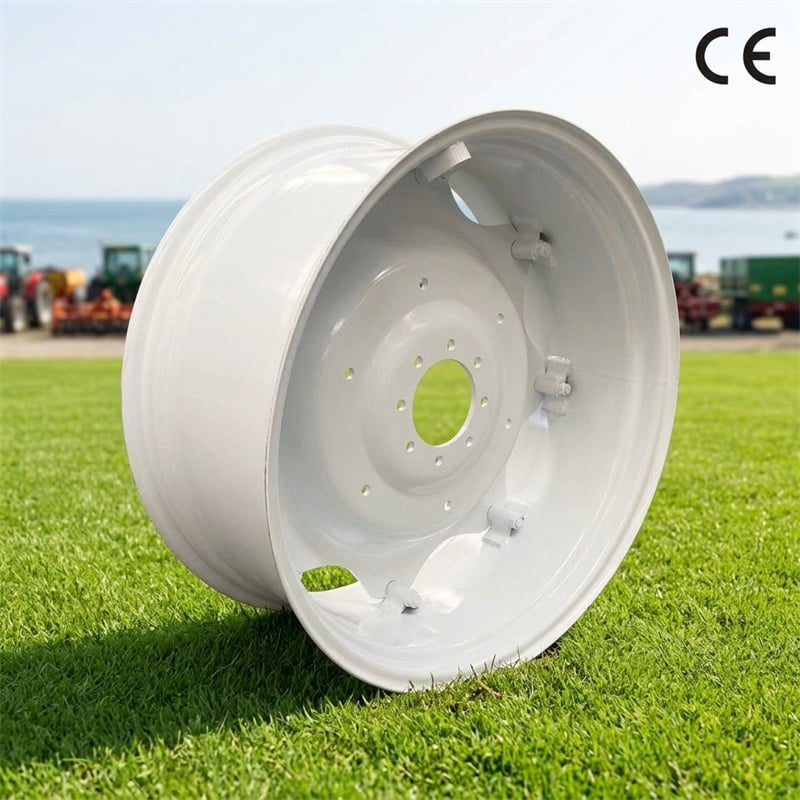
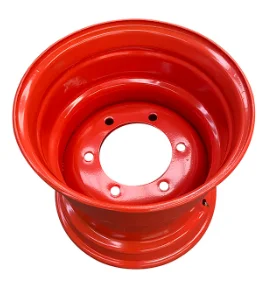
ເຄື່ອງຈັກກະສິກຳ ແລະ ເຄື່ອງມືກະສິກຳ: ແຖບລ້ອມຂອງເຄື່ອງຈັກກະສິກຳຕ້ອງສາມາດຮັບມືກັບທ້ອນທີ່ສູງໃນຄວາມເລັກນ້ອຍ, ການປ່ຽນທິດທາງຢ່າງເລື້ອຍໆ, ແລະ ການສຳຜັດກັບດິນ, ນ້ຳ, ແລະ ເຄື່ອງເຄີຍທີ່ໃຊ້ໃນການປຸ່ງດິນ. ຂະໜາດທີ່ນິຍົມໃຊ້ປະກອບດ້ວຍ W8×32, W10×38, W12×38, W15×38, ແລະ DW15×28, ຮ່ວມກັບເສີ້ງລົດກະສິກຳປະເພດ bias-ply ຫຼື radial ເຊັ່ນ: 11.2-38, 13.6-38, 16.9-28, ແລະ 16.9-38. ຮູບຮ່າງຂອງແຖບລ້ອມ (W, DW, DD) ຕ້ອງເຂົ້າກັນໄດ້ຢ່າງເປັກຕົ້ງກັບສ່ວນທີ່ຈັບເສີ້ງ (bead seat) ຂອງເສີ້ງ—ຖ້າໃຊ້ແຖບລ້ອມ DW ກັບເສີ້ງທີ່ອອກແບບສຳລັບຮູບຮ່າງ W ຈະບໍ່ເຂົ້າກັນຢ່າງຖືກຕ້ອງ. ສຳລັບເຄື່ອງຈັກກະສິກຳທີ່ມີກຳລັງເກີນ 80 HP, ຕ້ອງຢືນຢັນວ່າຄວາມຈຸນ້ຳໜັກສູງສຸດຂອງແຖບລ້ອມສອດຄ່ອງກັບນ້ຳໜັກຂອງແກນລົດໃນສະຖານະທີ່ເຕັມໄປດ້ວຍນ້ຳໜັກເພີ່ມ.
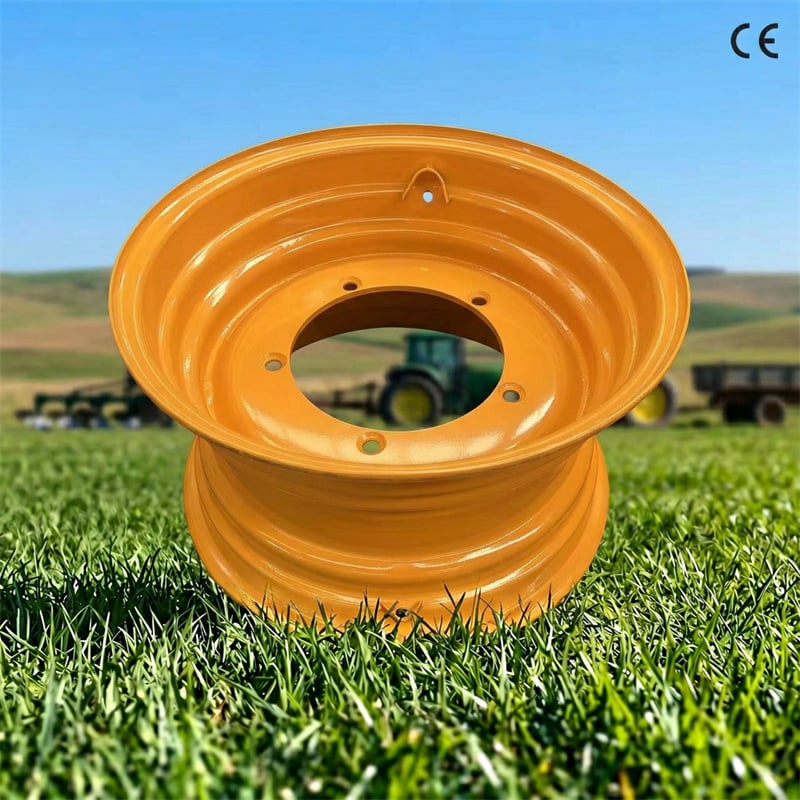
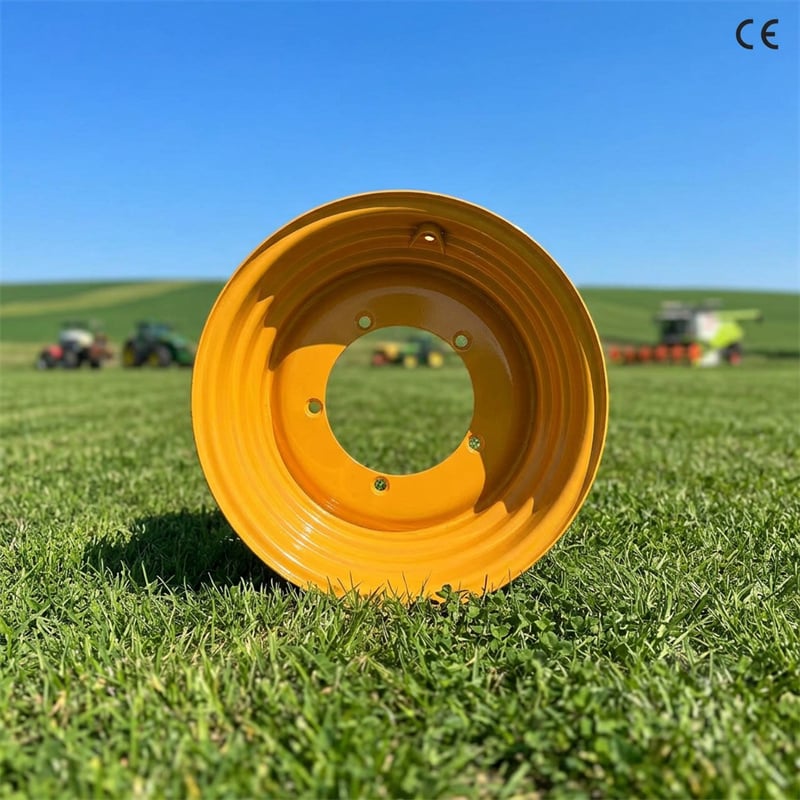
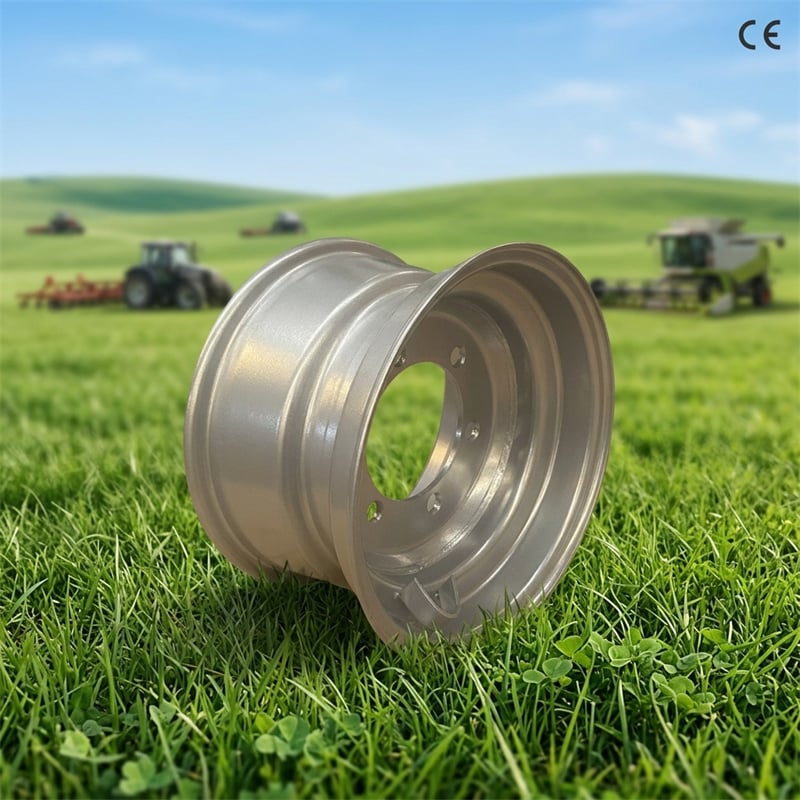
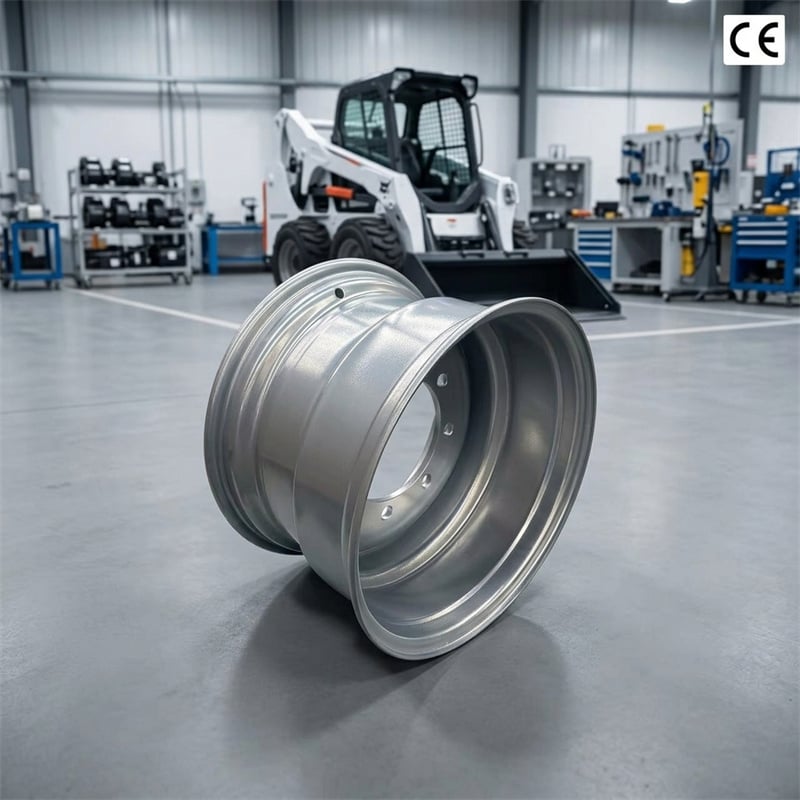
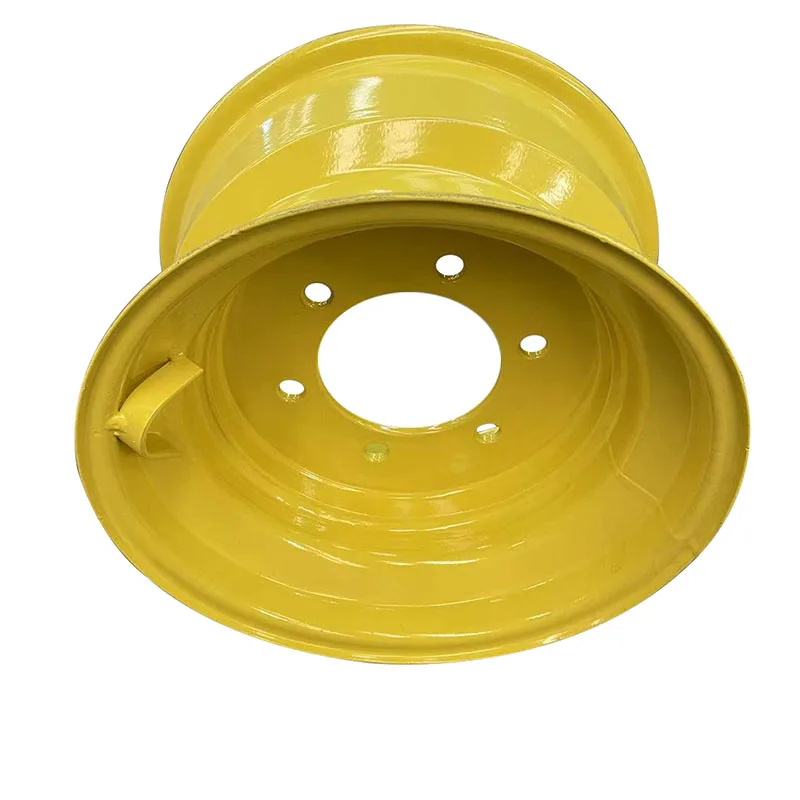
ລ້ອດເຄື່ອງຈັກກ່າວສ້າງ ແລະ ວິສະວະກຳ: ລ້ອດຂອງເຄື່ອງຂຸດດິນ, ລ້ອດຂອງເຄື່ອງຂັບເຄີ່ยวໄດ້ຢ່າງຊັດເຈນ, ແລະ ລ້ອດຂອງເຄື່ອງຂຸດດິນປະເພດ backhoe ໃຊ້ງານໃນສະພາບແວດລ້ອມທີ່ມີຄວາມເຄື່ອນໄຫວສູງ ແລະ ມີການຕີກັບຫີນ, ກຳແພງ, ແລະ ພື້ນທີ່ທີ່ບໍ່ເລີຍກັນ. ຂະໜາດທີ່ນິຍົມໃຊ້ແມ່ນ 8.25×16.5, 10×16.5, ແລະ 14×17.5 ສຳລັບເຄື່ອງຂຸດດິນຂະໜາດນ້ອຍ ແລະ ເຄື່ອງຂັບເຄີ່ยวໄດ້ຢ່າງຊັດເຈນ. ລ້ອດເຫຼົ້ານີ້ມັກຈະເຮັດຈາກເຫຼັກທີ່ໜາກວ່າ ແລະ ມີສ່ວນເວົ້າເລິກກວ່າເພື່ອຮອງຮັບການຕິດຕັ້ງເສີງທີ່ບໍ່ຕ້ອງໃຊ້ທໍ່. ສ່ວນປ້ອງກັນຮູເປີດວາວ (valve hole guard) ເຊິ່ງເປັນແຜ່ນປ້ອງກັນຮູບົ່ງເປັນຮູບສ່ວນເຖິງ 180 ອົງສາ ແມ່ນຄຸນລັກສະນະທີ່ເປັນປະໂຫຍດຢູ່ໃນລ້ອດຂອງເຄື່ອງຂັບເຄີ່ยวໄດ້ຢ່າງຊັດເຈນຂອງພວກເຮົາ ເພື່ອປ້ອງກັນສ່ວນກົງກັບວາວຈາກສິ່ງເສດເຫຼືອເວລາໃຊ້ງານ, ເຊິ່ງເປັນລາຍລະອຽດນ້ອຍໆ ແຕ່ຊ່ວຍປ້ອງກັນບໍ່ໃຫ້ເກີດຄວາມລົ້ມເຫຼວໃນເວລາໃຊ້ງານ.
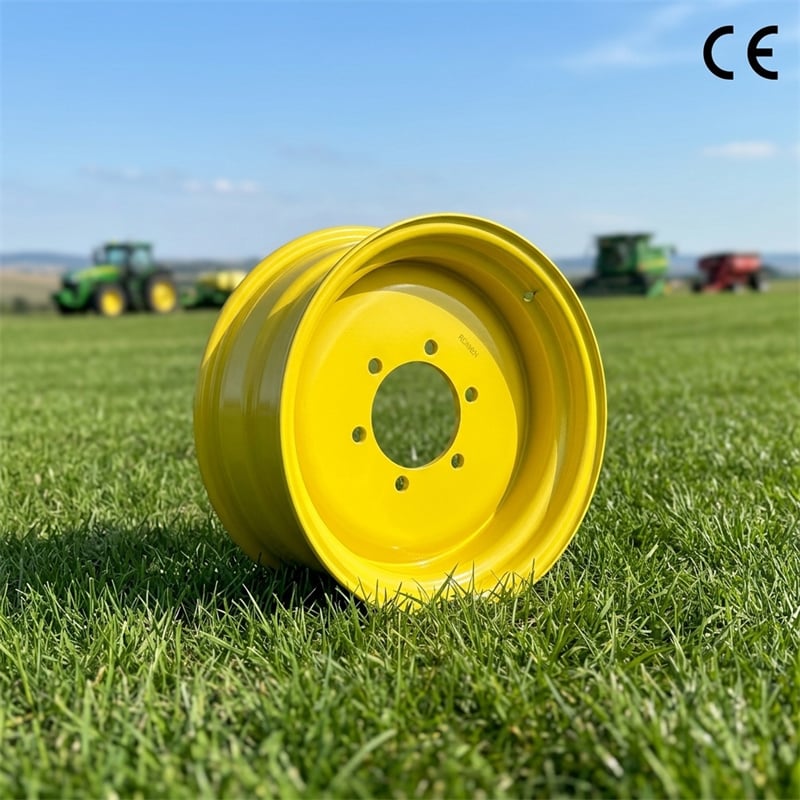
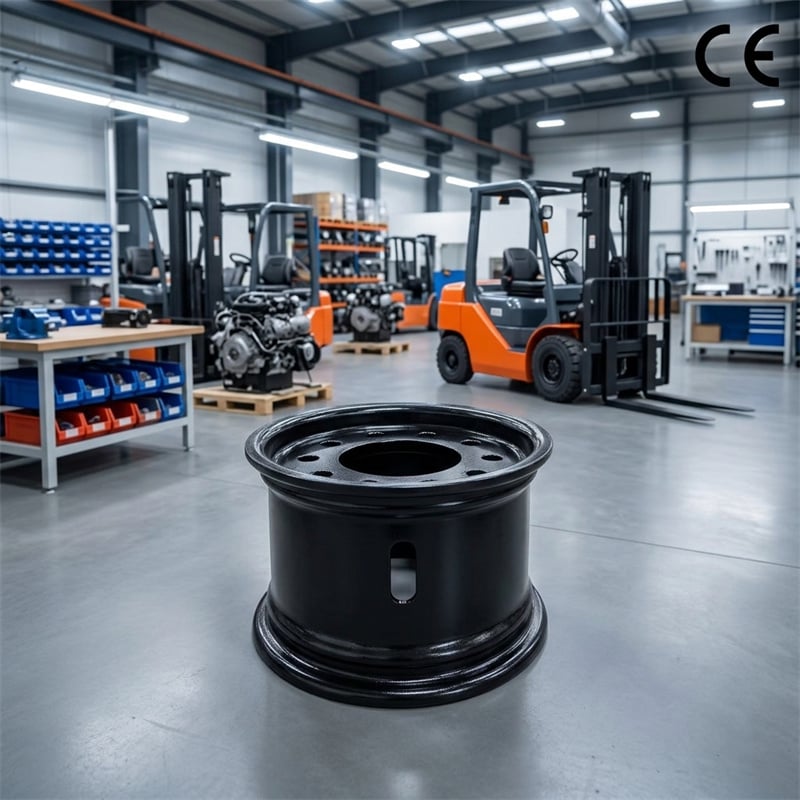
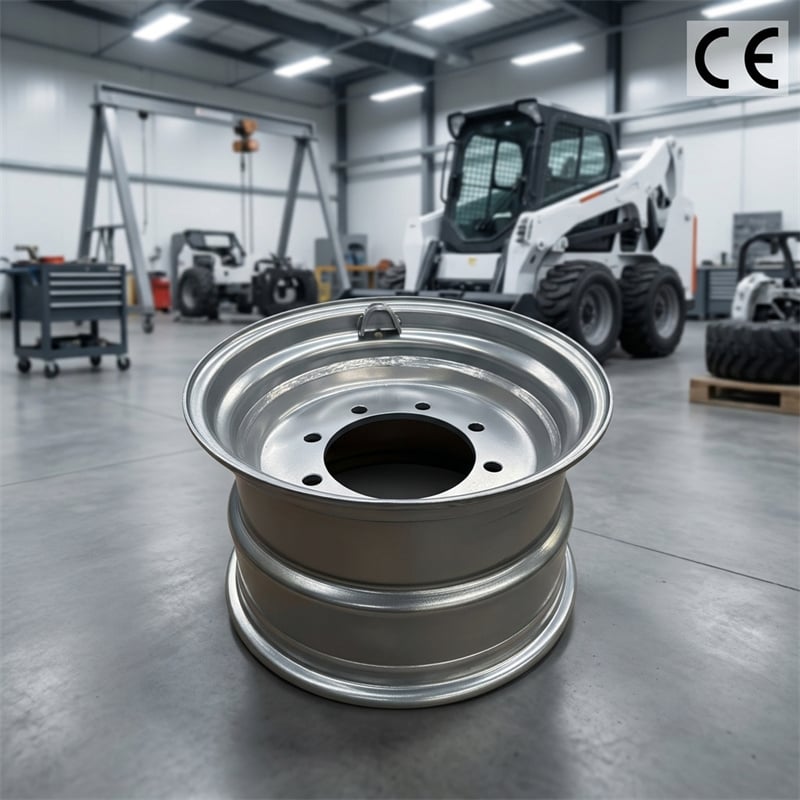
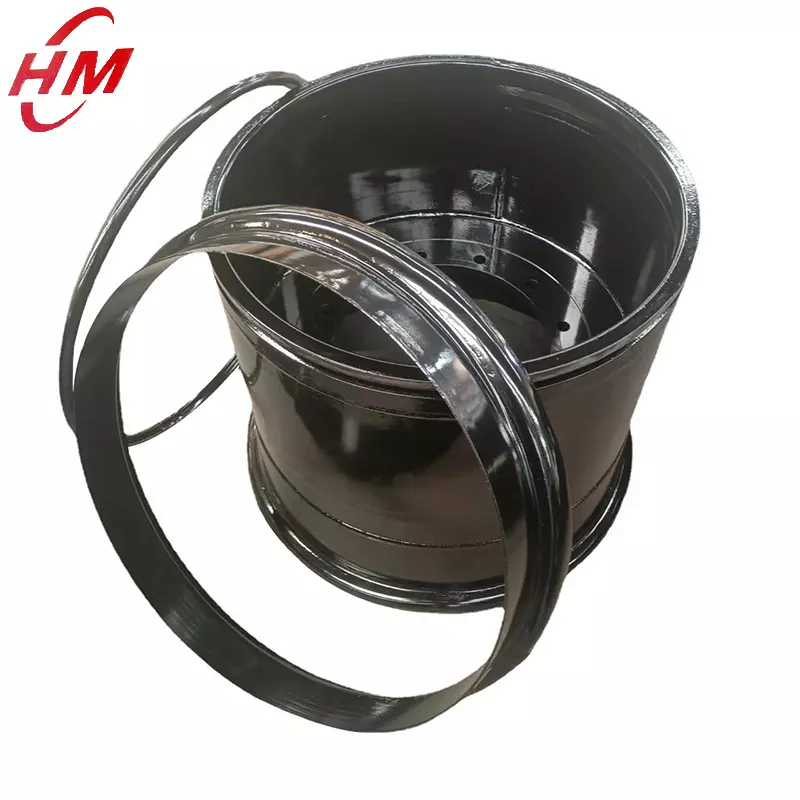
ເຄື່ອງຈັກຍົກແລະອຸປະກອນຈັດສົ່ງ ຮູບແຖວຂອງເຄື່ອງຈັກຍົກຕ້ອງຮັບນ້ຳໜັກຕັ້ງແຕ່ທາງຕັ້ງທີ່ຫຼາຍກວ່າເຄື່ອງຈັກທີ່ຂັບໄປຕາມທາງຢ່າງຫຼາຍ — ເຄື່ອງຈັກຍົກທີ່ມີຄວາມຈຸ 3 ໂຕນອາດຈະຮັບນ້ຳໜັກເຖິງ 5 ໂຕນເທິງລ້ອມດ້ານໜ້າເມື່ອເຕັມພາຊະນະ. ຮູບແຖວມີຫຼາຍປະເພດ: ປະເພດແບ່ງອອກເປັນ 2 ສ່ວນ, 3 ສ່ວນ ແລະ 4 ສ່ວນ ຂຶ້ນກັບປະເພດລ້ອມ (ລ້ອມທີ່ໃຊ້ອາກາດ ຫຼື ລ້ອມທີ່ເຮັດຈາກວັດສະດຸແທ້). ຄວາມຖືກຕ້ອງຂອງຄວາມກວ້າງ ແລະ ເສັ້ນຜ່າສູນກາງຂອງຮູບແຖວຕ້ອງຖືກຕ້ອງຢ່າງເຂັ້ມງວດ: ຖ້າຮູບແຖວແຄບເກີນໄປ 0.5 ນິ້ວ ຈະເຮັດໃຫ້ເກີດການສຶກຫຼຸດຂອງດ້ານຂ້າງຂອງລ້ອມຢ່າງໄວ; ຖ້າຮູບແຖວກວ້າງເກີນໄປຈະເຮັດໃຫ້ການຕິດຕັ້ງລ້ອມຍາກ ແລະ ສົ່ງຜົນຕໍ່ການຈັບເຂົ້າຂອງລ້ອມໃນເວລາເລີ່ມຕົ້ນຫຼືຫຼຸມເຂົ້າເຖິງຈຸດທີ່ຄັບ.
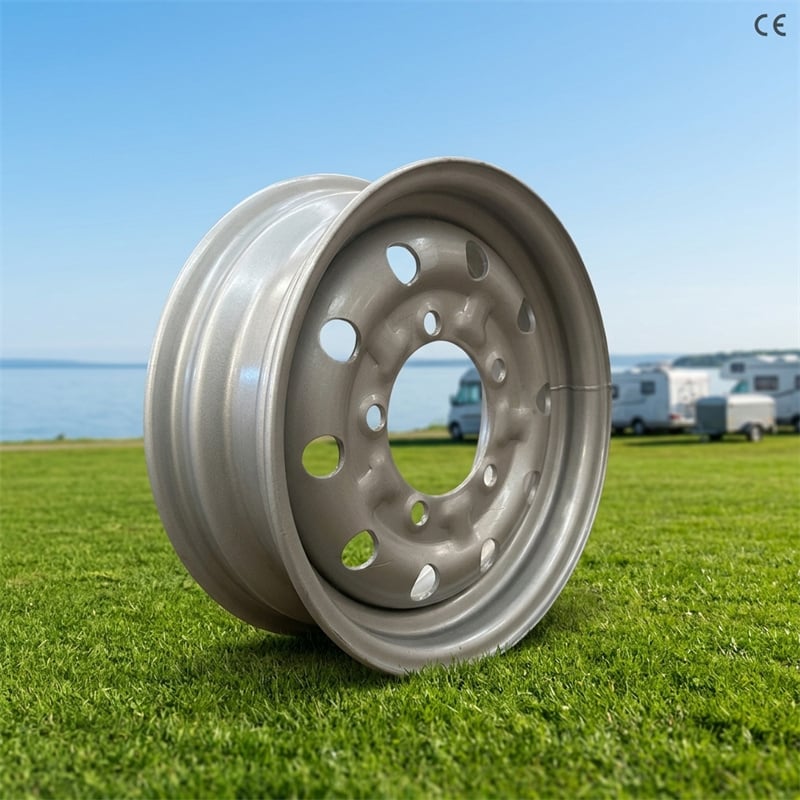
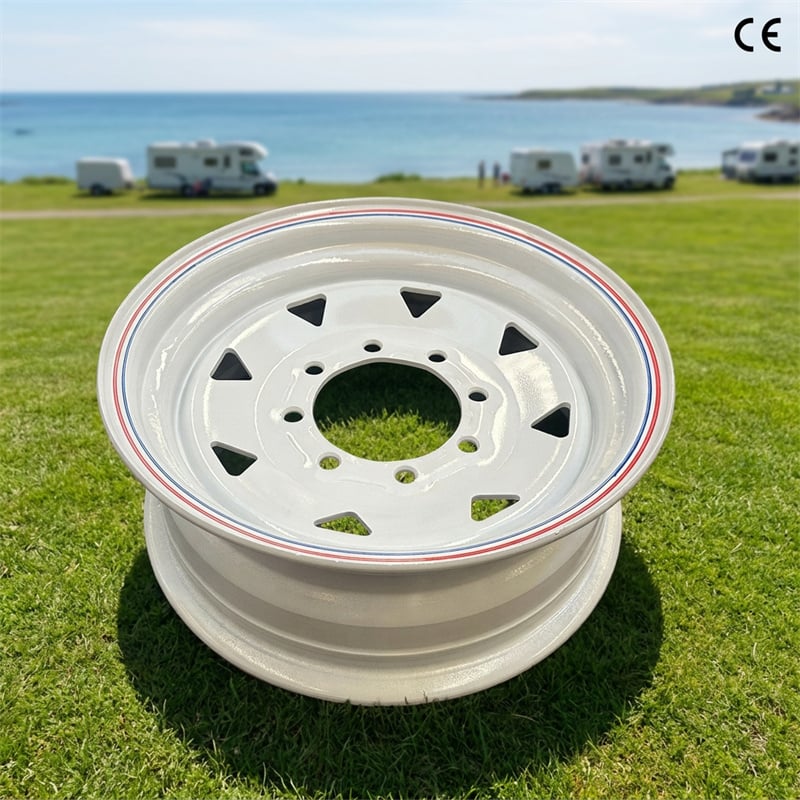
ລ້ອມສຳລັບລົດລາກ ແລະ ອຸປະກອນທີ່ຖືກດຶງໄປ ລ້ອມສຳລັບລົດລາກທີ່ໃຊ້ໃນການເກືອບສົ່ງ ແລະ ການຄ້າ ມັກຈະເປັນໄປຕາມຂະໜາດມາດຕະຖານເຊັ່ນ: 5.5J×16, 6.0×16 ແລະ 16×22.5 ສຳລັບລົດລາກທີ່ໃຊ້ເກັບເຂົ້າ ແລະ ລົດລາກທີ່ໃຊ້ເກັບຝຸ່ນ. ລ້ອມເຫຼົ່ານີ້ມັກຈະເປັນໄປຕາມຂໍ້ກຳນົດທີ່ຊັດເຈນ, ແຕ່ຜູ້ຊື້ຄວນຢືນຢັນຄ່າ offset (ຄ່າ ET) — ຖ້າຄ່າ offset ບໍ່ຖືກຕ້ອງຈະເຮັດໃຫ້ຈຸດສຳຜັດລະຫວ່າງລ້ອມ ແລະ ພື້ນດິນເຄື່ອນຍ້າຍ ແລະ ສາມາດເຮັດໃຫ້ເກີດການສຶກຫຼຸດທີ່ບໍ່ເທົ່າທຽນກັນຂອງເລື່ອງທີ່ໃຊ້ໃນການເຄື່ອນທີ່ ຫຼື ເກີດການຕິດຕໍ່ກັບໂຄງສ້າງຂອງລົດລາກ.
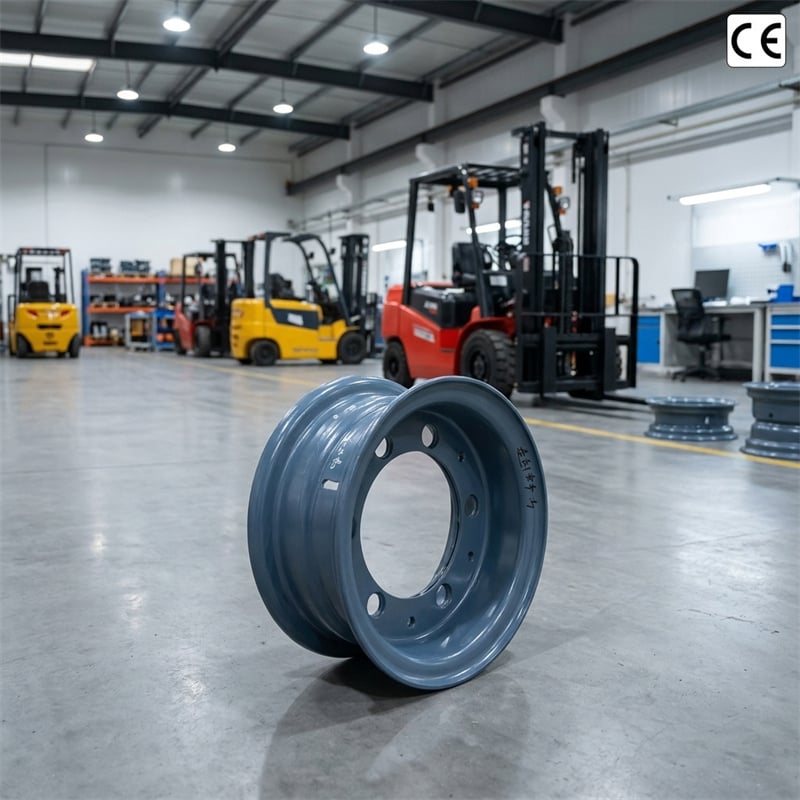
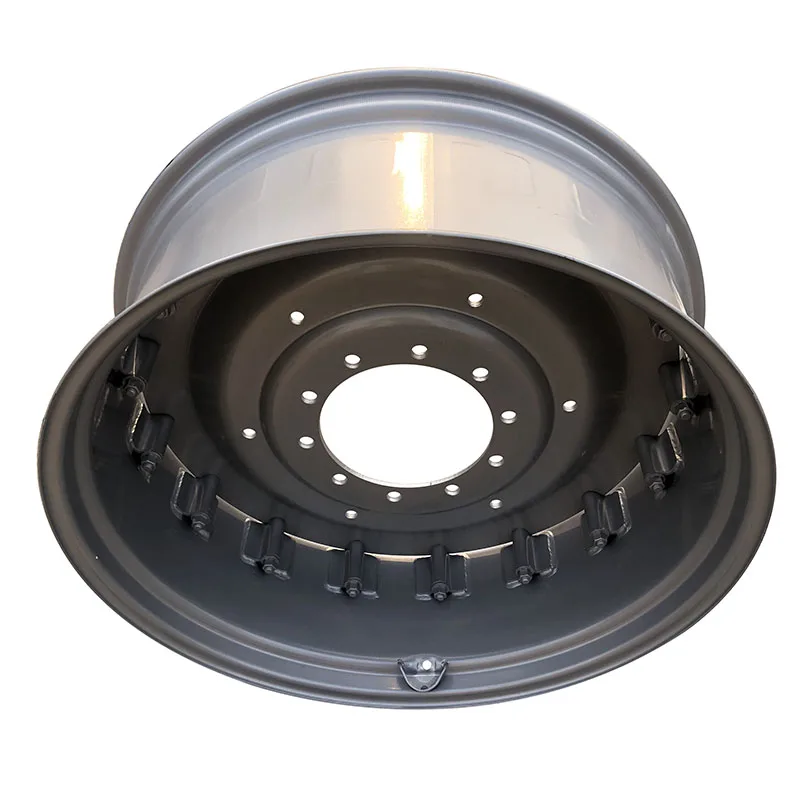
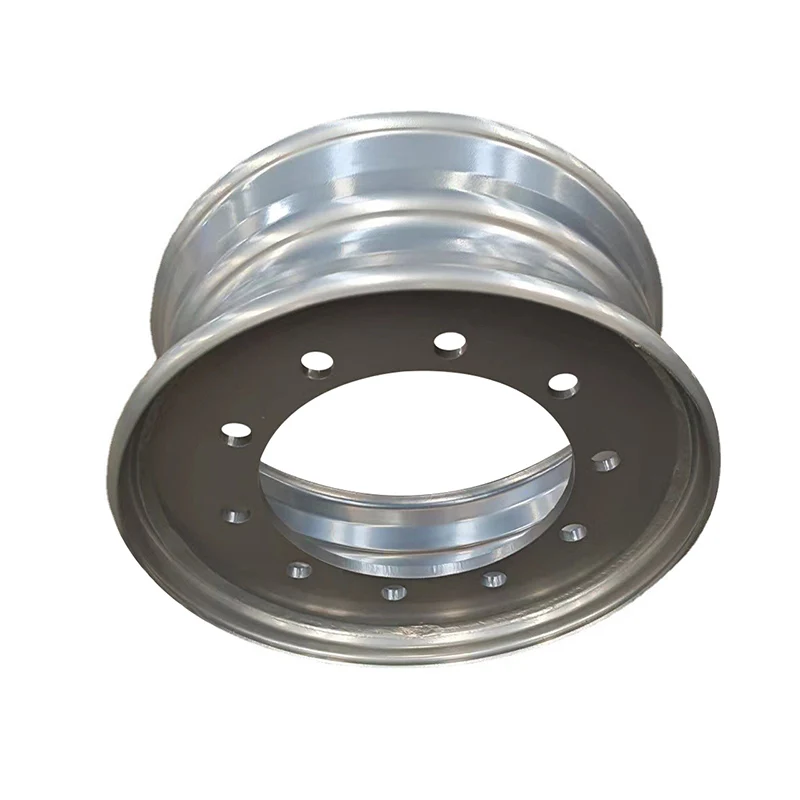
ລົດບັນທຸກ ແລະ ລົດເມີ. ຮູບແບບຂອງລ້ອມລົດບັນທຸກຖືກອອກແບບໃຫ້ເຮັດວຽກໄດ້ຢູ່ຄວາມໄວສູງໃນທາງດ່ວນ ແລະ ຮັບນ້ຳໜັກທີ່ສູງຢ່າງຕໍ່ເນື່ອງ. ຂະໜາດທີ່ນິຍົມໃຊ້ທີ່ສຸດປະກອບດ້ວຍ 7.5×19.5, 8.5×20, ແລະ 14×22.5, ຊຶ່ງຈັບຄູ່ກັບເສື້ອລ້ອມເຊັ່ນ: 245/70R19.5, 12.00R20, ແລະ 445/45R22.5. ລ້ອມທີ່ບໍ່ຕ້ອງໃຊ້ແທ່ງ (ຕົວຢ່າງ: ຊຸດ 22.5 ນິ້ວ) ໄດ້ແທນທີ່ລ້ອມທີ່ຕ້ອງໃຊ້ແທ່ງ (20 ນິ້ວ) ໃນຫຼາຍຕະຫຼາດແລ້ວ, ແຕ່ຄວາມຕ້ອງການສຳລັບທັງສອງປະເພດຍັງຄົງສູງຢູ່, ຂຶ້ນກັບຄວາມເປັນນິຍົມຂອງຟະລີດໃນແຕ່ລະເຂດ. ສຳລັບລົດບັນທຸກ, ຄວາມຖືກຕ້ອງຂອງຄວາມບ່ອນເວົ້າຂອງລ້ອມ (radial runout tolerance) ແລະ ຄວາມແໜ່ນຂອງການເຊື່ອມຕໍ່ດ້ວຍການເຊື່ອມ (weld integrity) ແມ່ນບໍ່ສາມາດປ່ຽນແປງໄດ້ເດັດຂາດ — ຖ້າເກີດການສັ່ນທີ່ຄວາມໄວ 100 km/h ເຊິ່ງເກີດຈາກລ້ອມທີ່ບໍ່ມີຮູບຮ່າງກົມເທົ່າ, ນີ້ຈະເປັນການຮ້ອງຂໍການຮັບປະກັນທີ່ຈະເກີດຂຶ້ນຢ່າງແນ່ນອນ.
ພາລາມິເຕີສຳຄັນຂອງຜະລິດຕະພັນທີ່ຕ້ອງກວດສອບກ່ອນສັ່ງຊື້
ເມື່ອຂໍເອກະສານປະເມີນລາຄາ, ການໃຫ້ຂໍ້ມູນດັ່ງຕໍ່ໄປນີ້ຈະຊ່ວຍຫຼຸດຜ່ອນການສົ່ງຄືນກັບກັນ ແລະ ເຮັດໃຫ້ການອະນຸມັດຕົວຢ່າງໄວຂຶ້ນ:
| ຕົວກໍານົດ | ສິ່ງທີ່ຄວນລະບຸ | ເຫດຜົນທີ່ມັນສຳຄັນ |
| ຂະໜາດຂອງລ້ອມ | ຄວາມກວ້າງ (W, J ຫຼື ນິ້ວ) × ເສັ້ນຜ່າສູນກາງ (ນິ້ວ), ຕົວຢ່າງ: W12×38, 8.25×16.5 | ການຈັບຄູ່ໂດຍກົງກັບສ່ວນທີ່ຈັບເສື້ອລ້ອມ ແລະ ສ່ວນທີ່ເຊື່ອມຕໍ່ກັບເຄື່ອງຈັກ |
| ຮູບແບບຂອງສະກູ | ຈຳນວນຮູ × ເສັ້ນຜ່າສູນກາງຂອງວົງເວັນສະກູ, ຕົວຢ່າງ: 8×275 mm, 6×205 mm | ຕ້ອງຈັບຄູ່ກັບສ່ວນທີ່ເຊື່ອມຕໍ່ຂອງລົດໃຫ້ຖືກຕ້ອງທຸກໆດ້ານ |
| ເສັ້ນຜ່າສູນກາງຂອງສ່ວນທີ່ເຊື່ອມຕໍ່ (pilot hole) | ເສັ້ນຜ່າສູນກາງເປັນມີລີແມັດ, ຕົວຢ່າງ: 161 ມມ, 221 ມມ | ການຕິດຕັ້ງທີ່ໃຊ້ສ່ວນກາງລໍ້ເປັນຈຸດອ້າງອີງ ຕ້ອງມີຄວາມຖືກຕ້ອງສູງ |
| ຄ່າ offset / inset (ET) | ໄລຍະຫ່າງຈາກເສັ້ນກາງຂອງລໍ້ໄປຫາໝາກເຫຼັກທີ່ຕິດຕັ້ງ, ໃນໜ່ວຍມີລີແມັດ | ສົ່ງຜົນຕໍ່ຄວາມກວ້າງຂອງລໍ້ ແລະ ຊ່ອງຫວ່າງຈາກຕົວຖັງ |
| ຄວາມໜາຂອງຈານລໍ້ | ຄວາມໜາຂອງເຫຼັກ ຫຼື ເປັນມີລີແມັດ, ຕົວຢ່າງ: 6 ມມ, 8 ມມ | ກຳນົດຄວາມສາມາດໃນການຮັບນ້ຳໜັກ ແລະ ອາຍຸການໃຊ້ງານ |
| ປະເພດລູກຕັ້ງ | TR412, TR413, TR415, ຫຼື ປຸກປັ້ນທີ່ບໍ່ມີທໍ່ໃນ | ຕ້ອງເຂົ້າກັນໄດ້ກັບການຕິດຕັ້ງແບບມີທໍ່ ຫຼື ບໍ່ມີທໍ່ |
| ພື້ນຜິວ | ການເຄືອບດ້ວຍຝຸ່ນ (ສີ + ລະຫັດ RAL), ການເຄືອບດ້ວຍໄຟຟ້າ, ຫຼື ເຄືອບພຽງແຕ່ຊັ້ນປະກອບເທົ່ານັ້ນ | ລະດັບການປ້ອງກັນການກິນເຊື່ອມຕາມການນຳໃຊ້ |
| ເລກອ້າງອີງຂອງຜູ້ຜະລິດຕົ້ນສຳເລັດ (OE) | ເລກສ່ວນຂອງຜູ້ຜະລິດຕົ້ນສຳເລັດ (OEM) ຖ້າຮູ້, ຕົວຢ່າງ: John Deere RE123456 | ເຮັດໃຫ້ການເປີຽບທຽບຂ້າມໄວຂຶ້ນ |
ນອກຈາກຂໍ້ກຳນົດດ້ານມິຕິ, ຜູ້ຊື້ຄວນຢືນຢັນເພີ່ມເຕີມວ່າ:
ປະເພດວັດຖຸ
● ຮີມເຫຼັກຂອງພວກເຮົາຜະລິດຈາກເຫຼັກຮ້ອນມີຄຸນນະສົມບັດ Q235B ຫຼື SPHC ຂຶ້ນກັບຄຸນນະສົມບັດຂອງຮີມ.
ຂະບວນການຜະລິດ
● ການປັ້ນຮີມດ້ວຍວິທີການມື້ນ, ສ່ວນກາງທີ່ຖືກຕັດດ້ວຍເຄື່ອງຈັກຫຼື ແສງເລເຊີ, ຈັດສົ່ງແລ້ວເຊື່ອມຕໍ່, ຕາມດ້ວຍການປິ່ນປົວໜ້າ. ຈຸດທີ່ເຊື່ອມຕໍ່ຈະຖືກກວດສອບດ້ວຍຕາເປີດ ແລະ ຖ້າຕ້ອງການກໍຈະກວດດ້ວຍວິທີການກວດສອບດ້ວຍສາຍເຫຼັກທີ່ມີຄວາມເຂັ້ມຂົ້ນ ຫຼື ດ້ວຍຄື່ນສຽງຄວາມຖີ່ສູງ ດ້ວຍເຄື່ອງກວດສອບຂອງພວກເຮົາເອງ.
ສະຖານະທີ່ເປັນການລົງຕະຫຼາດ
ການຮັບຮອງ CE ຄຸມເຖິງທັງໝົດຂອງຮີມຂອງພວກເຮົາ; ມາດຕະຖານແຫ່ງຊາດ ຫຼື ມາດຕະຖານອຸດສາຫະກຳເฉພາະ (ຕົວຢ່າງ: ETRTO, JATMA, TRA) ສາມາດອ້າງອີງໄດ້ຖ້າຕ້ອງການຕາມຕະຫຼາດຈຸດໝາຍ.
ຄຳຖາມທີ່ມັກຖາມ (FAQ) ກ່ຽວກັບການຈັດຊື້
ຄຳຖາມ: ທ່ານສາມາດຈັບຄູ່ຮີມຕາມເລກ OE ຫຼື ຕົວຢ່າງໄດ້ບໍ?
ແມ່ນ. ຖ້າທ່ານໃຫ້ເລກທີ່ຜູ້ຜະລິດຕາມສັນຍາ (OEM) ຂອງຊິ້ນສ່ວນ, ຂະໜາດເປີດ, ຫຼື ຮູບຮ່າງຕົວຢ່າງຂອງລ້ອມ, ພວກເຮົາສາມາດເປີດເຜີຍຂໍ້ມູນເພື່ອຄົ້ນຫາຂໍ້ມູນທີ່ຄືກັນ ແລະ ຜະລິດຕາມຂໍ້ກຳນົດທີ່ຕ້ອງການ. ສຳລັບຮູບແບບທີ່ເປັນເອກະລັກ, ພວກເຮົາສະໜັບສະໜູນການປັບແຕ່ງຕາມຕົວຢ່າງ ຫຼື ການອອກແບບຮູບພາບ (CAD). ທີມງານ R&D ຂອງພວກເຮົາປະກອບດ້ວຍວິສະວະກອນ 3 ຄົນ ທີ່ຈະຮັບຜິດຊອບການຢືນຢັນຂໍ້ກຳນົດ, ໂດຍທົ່ວໄປແລ້ວຈະໃຊ້ເວລາ 1-2 ວັນເຮັດວຽກ.
ຄຳຖາມ: ເວລາຈັດສົ່ງທີ່ທົ່ວໄປ ແລະ ຈຳນວນສັ່ງຊື້ຕ່ຳສຸດ (MOQ) ຂອງທ່ານແມ່ນເທົ່າໃດ?
ເວລາຜະລິດຕາມມາດຕະຖານຂອງພວກເຮົາແມ່ນ 10 ມື້ຫຼັງຈາກຢືນຢັນການສັ່ງຊື້, ແລະ ການຈັດເຕີມຕົວຢ່າງໃຊ້ເວລາ 3 ມື້. ສຳລັບການສັ່ງຊື້ທີ່ມີຂະໜາດເທົ່າກັບຕູ້ຂົນສົ່ງ, ຄວາມສາມາດໃນການຜະລິດແມ່ນ 300 ອັນຕໍ່ແຖວຜະລິດ. ຈຳນວນສັ່ງຊື້ຕ່ຳສຸດຈະຂຶ້ນກັບຂະໜາດ ແລະ ຂໍ້ກຳນົດຂອງລ້ອມ — ລ້ອມລົດນັ່ງ ຫຼື ລ້ອມ ATV ທີ່ມີເສັ້ນຜ່າສູນກາງນ້ອຍຈະມີເສັ້ນສະແດງທາງດ້ານເສດຖະກິດທີ່ແຕກຕ່າງຈາກລ້ອມເຕີກເຕີ ຫຼື ລ້ອມລົດບັນທຸກທີ່ມີຂະໜາດໃຫຍ່. ພວກເຮົາແນະນຳໃຫ້ທ່ານຕິດຕໍ່ພວກເຮົາດ້ວຍປະລິມານທີ່ທ່ານຕ້ອງການເພື່ອຮັບເອົາການອ້າງອີງທີ່ເປັນເອກະລັກ.
ຄຳຖາມ: ທ່ານຈັດການການຄວບຄຸມຄຸນນະພາບສຳລັບການສົ່ງອອກແນວໃດ? ລະບົບຄຸນນະພາບຂອງພວກເຮົາປະກອບດ້ວຍ:
● ການກວດສອບວັດຖຸທີ່ເຂົ້າມາ (ຄວາມໜາຂອງເຫຼັກມົວ, ສະພາບໜ້າເນື້ອ)
● ການກວດສອບໃນຂະນະທີ່ກຳລັງຜະລິດ ໃນຂັ້ນຕອນການມ้วນ, ການເຊື່ອມຕໍ່, ແລະ ຂັ້ນຕອນການວັດແທກ
● ການກວດສອບຜະລິດຕະພັນສຸດທ້າຍຢ່າງເຕັມຮູບແບບ (ບໍ່ໄດ້ເອົາຕົວຢ່າງ) ໂດຍຜູ້ກວດສອບຄຸນນະພາບຈຳນວນສອງຄົນທີ່ມີຄວາມຊ່ຽວຊານເປັນພິເສດ
● ຄວາມສາມາດໃນການກວດຫາຂໍ້ບົກບ່ອນ ໂດຍອຸປະກອນການທົດສອບພາຍໃນໂຮງງານ ສຳລັບບ່ອນເຊື່ອມຕໍ່ທີ່ສຳຄັນ
● ການທົດສອບໂຮງງານທີ່ໄດ້ຮັບການຢືນຢັນຈາກ Intertek ໂດຍມີລາຍງານທີ່ສາມາດຈັດຫາໃຫ້ຜູ້ຊື້ທົບທວນໄດ້
ຜະລິດຕະພັນທັງໝົດມີການຮັບປະກັນເປັນເວລາ 1 ປີ ຕໍ່ກັບຂໍ້ບົກບ່ອນທີ່ເກີດຈາກການຜະລິດ. ສຳລັບຜູ້ຊື້ທີ່ສັ່ງຊື້ເປັນປະຈຳໃນຮູບແບບຂົນສົ່ງດ້ວຍຕູ້ສິນຄ້າ, ພວກເຮົາສາມາດຈັດຕັ້ງການກວດສອບກ່ອນການຈັດສົ່ງໂດຍບໍລິສັດທີສາມ (SGS, Bureau Veritas) ຕາມຄຳຮ້ອງຂອງຜູ້ຊື້ ແລະ ຜູ້ຊື້ຈະເປັນຜູ້ຮັບຜິດຊອບຄ່າໃຊ້ຈ່າຍ.
Q: ທ່ານສະເໜີການປິ່ນປົວພື້ນໜ້າໃນຮູບແບບໃດ, ແລະ ວິທີການຫໍ່ຫໍ້ລ້ອຍເພື່ອປ້ອງກັນຄວາມເສຍຫາຍໃນຂະນະການຂົນສົ່ງ?
ພວກເຮົາມີບໍລິການຊຸດຝຸ່ນສີມາດຕະຖານ (ສີຂາວ, ສີເງິນ, ສີເທົາ, ສີດຳ) ພ້ອມທັງສີ RAL ຕາມຄວາມຕ້ອງການ, ພ້ອມດ້ວຍ e-coat (ຊັ້ນຄຸ້ມປ້ອງກັນດ້ວຍໄຟຟ້າ) ເພື່ອຄວາມຕ້ານທານກັບການສີດນ້ຳເກືອໄດ້ດີກວ່າ. ລໍ້ແຕ່ລະອັນຖືກຫຸ້ມດ້ວຍຟອງຫຼືພາດສະຕິກ, ຈັດຊັ້ນດ້ວຍເຈ້ຍລັງກັນລະຫວ່າງແຕ່ລໍ້, ແລະ ປົກປ້ອງຢູ່ເທິງແທ່ນໄມ້ທີ່ຜ່ານການກຳຈັດສັດຕູພືດ ຫຼື ໃນກ່ອງເຫຼັກ. ສຳລັບການບັນທຸກເຂົ້າຕູ້ຄອນເທນເນີ, ລໍ້ຈະຖືກຈັດເປັນບລັອກແລະແຮ່ດ້ວຍເຊືອກເພື່ອປ້ອງກັນການເຄື່ອນຍ້າຍໃນລະຫວ່າງການຂົນສົ່ງທະເລ. ພວກເຮົາສາມາດປັບຕາມຄວາມຕ້ອງການການຫຸ້ມຫໍ່ຂອງຜູ້ຊື້ໄດ້, ລວມທັງກ່ອງບຸກຄົນທີ່ພ້ອມຂາຍ.
ຄຳຖາມ: ທ່ານມີສະຕັອກສຳ dựກສຳລັບຜູ້ຊື້ທີ່ສັ່ງຊ້ຳບໍ່?
ແມ່ນແລ້ວ. ສຳລັບຄູ່ຮ່ວມງານທີ່ຮ່ວມງານມາດົນກັບຮູບແບບການສັ່ງຊື້ທີ່ຄາດເດົາໄດ້, ພວກເຮົາສາມາດຮັກສາລະດັບສະຕັອກຄວາມປອດໄພຕາມທີ່ຕົກລົງໄວ້ສຳລັບ SKU ທີ່ຂາຍດີ. ນີ້ຊ່ວຍຫຼຸດເວລາການນຳສົ່ງຈາກ 10 ວັນເປັນ 2-3 ວັນສຳລັບການສັ່ງຊື້ຊ້ຳ, ເຊິ່ງມີຄວາມສຳຄັນຫຼາຍໃນຊ່ວງລະດູກະສິກຳ ຫຼື ກໍ່ສ້າງທີ່ຫຼາກຫຼາຍ.
ຄຳແນະນຳການວາງແຜນສະຕັອກສຳລັບຜູ້ຊື້ລໍ້
ສຳລັບຜູ້ນຳເຂົ້າແລະຜູ້ຈັດຈຳຫນ່າຍທີ່ຄຸ້ມຄອງສະຕັອກລໍ້ຫຼັງຈາກການຂາຍ, ພວກເຮົາແນະນຳໃຫ້:
ແບ່ງປັນບໍລິການຂອງທ່ານຕາມການນຳໃຊ້ ບໍ່ແມ່ນພຽງແຕ່ຂະໜາດເທົ່ານັ້ນ.
1. ຈັດປະເພດລ້ອດຕາມປະເພດຍານພາຫະນະ (ເຄື່ອງຈັກກະສິກຳ, ລົດບັນທຸກ, ເຄື່ອງຂຸດ) ເພື່ອໃຫ້ທີມຂາຍຂອງທ່ານສາມາດເປີດເບິ່ງຂ້າມໄດ້ຕາມຮູບແບບເຄື່ອງຈັກ ແທນທີ່ຈະຈື່ຂະໜາດຕ່າງໆ.
ເກັບຮັກສາສິນຄ້າທີ່ຢູ່ໃນ 20% ທຳອິດທີ່ສ້າງຄວາມຕ້ອງການ 80%.
2. ລ້ອດຕາມຮູບແບບ W12×38 ສຳລັບເຄື່ອງຈັກກະສິກຳ ຫຼື ລ້ອດ 8.25×16.5 ສຳລັບເຄື່ອງຂຸດອາດຈະເບິ່ງຄືງ່າຍດາຍ, ແຕ່ຖ້າມີເຄື່ອງຈັກກະສິກຳ 5 ຮູບແບບໃນເຂດທີ່ທ່ານຂາຍໃຊ້ຂະໜາດນີ້, ມັນຄວນເປັນສິນຄ້າທີ່ເກັບໄວ້ໃນສະຕັອກຫຼັກ.
ວາງແຜນເວລາກ່ອນການຈັດສົ່ງສຳລັບຊ່ວງທີ່ຄວາມຕ້ອງການສູງ.
3. ຄວາມຕ້ອງການລ້ອດສຳລັບການເພາະແລະການ acontecimiento ຂອງການເກັບເກີ່ยวຈະເພີ່ມຂຶ້ນກ່ອນເລີ່ມຕົ້ນ. ການສັ່ງຊື້ລ້ອດສຳລັບການກໍ່ສ້າງມັກຈະເພີ່ມຂຶ້ນໃນໄລຍະ Q1 ແລະ Q2 ເມື່ອໂຄງການເລີ່ມເຮັດວຽກ. ກະລຸນາແບ່ງປັນການທຳนายຄວາມຕ້ອງການຕາມລະດູກັບຜູ້ສະໜອງຂອງທ່ານເພື່ອຈອງເວລາການຜະລິດລ່ວງໆ.
ຢືນຢັນການຫໍ່ຫຸ້ມສຳລັບຊ່ອງທາງການຈັດຈຳ່ຍຂອງທ່ານ.
4. ລ້ອດທີ່ຈັດສົ່ງເປັນຈຳນວນຫຼາຍໄປຍັງສາງສິນຄ້າສາມາດໃຊ້ການຫໍ່ຫຸ້ມໃນຮູບແບບ palletized. ລ້ອດທີ່ຈະຈັດສົ່ງໄປຍັງຮ້ານຄ້າຫຼືຂາຍໂດຍກົງໃຫ້ກັບຊາວນາອາດຈະຕ້ອງການກ່ອງແຕ່ລະອັນທີ່ມີປ້າຍຂະໜາດ ແລະ ຊື່ຍີ່ຫໍ້.
ເຫດຜົນທີ່ຜູ້ຊື້ເລືອກ Huamei Wheel
ປະສົບການສົ່ງອອກມາເປັນເວລາ 13 ປີ
● ມີການຈັດສົ່ງໄປຍັງອາເມລິກາໃຕ້, ອາຟຣິກາ, ເອຊຽຕາເວັນຕົກສຽງໃຕ້, ເອີໂຣບຕາເວັນອອກ, ແດນຕາເວັນອອກກາງ ແລະ ໂອເຊຍເນຍ.
ສະຖານທີ່ຜະລິດ 12,500 ຕາລາງແມັດ
● ຢູ່ໃກ້ກັບທ່າເຮືອ Qingdao, ແຂວງ Shandong — ຫຼຸດຄ່າໃຊ້ຈ່າຍດ້ານການຂົນສົ່ງພາຍໃນປະເທດ ແລະ ເວລາການຂົນສົ່ງ.
ແຖວຜະລິດທີ່ຢູ່ພາຍໃນບໍລິສັດ
● ຄຸມຄຸມທັງໝົດຂອງຂະບວນການ: ການປັ້ມຮູບ, ການເຊື່ອມ, ການປິ່ນປົວໜ້າພ້ອມ. ບໍ່ມີຂັ້ນຕອນໃດໆທີ່ຖືກຈ້າງນອກ.
ຢືນຢັນໂດຍ Intertek
● ມີບົດລາຍງານການສອບສອງໂຮງງານທີ່ຍັງມີຜົນບັງຄັບຈົນເຖິງເດືອນມັງກອນ 2027.
CE-certified
● ຊ່ວງຜະລິດຕະພັນທີ່ມີການຈັດຕັ້ງການຄຸມຄຸມຄຸນນະພາບທີ່ເອກະສານ.
ການປັບແຕ່ງຕາມຄວາມຕ້ອງການດ້ານສີ, ຂະໜາດ, ຮູບພາບ ແລະ ວັດຖຸ
● — ສະໜັບສະໜູນດ້ວຍບໍລິການອອກແບບທີ່ອີງໃສ່ຕົວຢ່າງ ແລະ ການອອກແບບທີ່ອີງໃສ່ CAD.
ຂໍໃບປະເມີນລາຄາ
ຖ້າທ່ານກຳລັງຊື້ລ້ອດລົດເຫຼັກສຳລັບເຄື່ອງຈັກກະສິກຳ, ເຄື່ອງຂຸດ, ລົດຍົກ, ລົດເປີດ, ຫຼື ລົດບັນທຸກ, ພວກເຮົາສາມາດຈັດສົ່ງບັນຊີຜະລິດຕະພັນ, ແຜ່ນຂໍ້ມູນເທັກນິກ, ແລະ ລາຄາທີ່ແຂ່ງຂັນໄດ້ພາຍໃນ 24 ຊົ່ວໂມງ. ກະລຸນາລະບຸຂະໜາດຂອງລ້ອດ, ຮູບແບບຂອງເປີກ, ປະເພດການນຳໃຊ້, ແລະ ຈຳນວນທີ່ຕ້ອງການໃນການສອບຖາມຂອງທ່ານເພື່ອໃຫ້ໄດ້ຮັບການຕອບກັບຢ່າງໄວວ່າ.
ສືບສາມີ:
ອີເມວ: [email protected]
ເບີໂທລະສັບ: +86 13806476616
ເວັບໄຊ트: www.wheelprc.com
ທີ່ຕັ້ງໂຮງງານ: ຖະໜົນເຟີງຮູ່ຊານທາງຕາເວັນອອກ, ເມືອງຊີ່ງໂຈວ, ແຂວງຊານດີ້ງ, ຈີນ (ທ່າເຮືອທີ່ໃກ້ທີ່ສຸດ: ເຊີງເຕີ້ວ)
ບົດຄວາມນີ້ມີເພື່ອຈຸດປະສົງຂອງການໃຫ້ຂໍ້ມູນເທົ່ານັ້ນ. ຂໍ້ມູນເທັກນິກ ແລະ ເວລາຈັດສົ່ງອາດຈະປ່ຽນແປງຕາມການຢືນຢັນການສັ່ງຊື້. ກະລຸນາປຶກສາຂໍ້ມູນເທັກນິກຂອງລ້ອດຈາກຜູ້ຜະລິດລົດເທິງກ່ອນຈະສັ່ງຊື້ລ້ອດທີ່ໃຊ້ແທນ.

 EN
EN
 AR
AR CS
CS DA
DA NL
NL FR
FR DE
DE HI
HI IT
IT JA
JA KO
KO NO
NO PL
PL PT
PT RU
RU ES
ES SV
SV TL
TL ID
ID SR
SR UK
UK VI
VI SQ
SQ HU
HU MT
MT TH
TH TR
TR AF
AF MS
MS GA
GA HY
HY BN
BN LO
LO NE
NE TE
TE MY
MY SU
SU UZ
UZ KU
KU KY
KY
 ຂ່າວຮ້ອນ