
 EN
EN
 AR
AR CS
CS DA
DA NL
NL FR
FR DE
DE HI
HI IT
IT JA
JA KO
KO NO
NO PL
PL PT
PT RU
RU ES
ES SV
SV TL
TL ID
ID SR
SR UK
UK VI
VI SQ
SQ HU
HU MT
MT TH
TH TR
TR AF
AF MS
MS GA
GA HY
HY BN
BN LO
LO NE
NE TE
TE MY
MY SU
SU UZ
UZ KU
KU KY
KY
When it comes to selecting the right wheels for heavy-duty applications, the debate between steel rims and alloy wheels often arises. Buyers, particularly in sectors like agriculture, engineering, and mining, prioritize durability, strength, and performance under heavy loads. This article will delve into the differences between steel rims and alloy wheels, focusing on which option offers better durability for heavy loads. Whether you are a purchasing manager, product manager, or engineer, understanding these aspects will help you make informed decisions for your equipment
Steel Rims vs Alloy Wheels in Tough Conditions
In harsh working environments, such as construction sites or mining operations, the choice between steel rims and alloy wheels can significantly impact performance. Steel rims are known for their resilience and ability to withstand rough handling, making them a popular choice for heavy loads. They typically offer superior resistance to impacts and are less prone to bending or cracking under stress. This robustness is particularly beneficial in tough conditions where equipment is subjected to constant wear and tear
On the other hand, alloy wheels, while lighter and often more aesthetically pleasing, may not hold up as well under extreme conditions. They can be more susceptible to damage from impacts, especially if they are not designed for heavy-duty applications. For instance, an alloy wheel might shatter on a rugged terrain compared to a steel rim, which would simply dent. Therefore, for applications where durability is paramount, steel rims often emerge as the preferred option
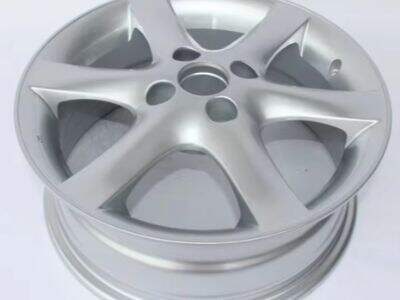
Steel Rims vs Alloy Wheels for Bulk Orders
When considering bulk orders, the cost-effectiveness of steel rims car becomes evident. Steel rims are generally less expensive to manufacture than alloy wheels, which can translate to lower costs for purchasing managers looking to acquire wheels in large quantities. Additionally, steel rims often have shorter lead times due to their simpler manufacturing processes, making them ideal for projects that require quick turnaround times
However, if the application demands lighter wheels to enhance fuel efficiency or performance, alloy wheels might be worth the investment, despite their higher price point. For bulk orders, it’s essential to weigh the cost against the specific requirements of your equipment. If durability and cost savings are your primary concerns, steel rims usually offer a more practical solution for heavy-load applications
What to Know About Wheel Material Strength
Wheel material strength is a crucial factor in determining the performance and longevity of both steel rims and alloy wheels. Steel rims are typically made from high-carbon steel, which provides excellent tensile strength and toughness. This allows them to absorb shock effectively, making them suitable for heavy-duty applications
In contrast, alloy wheels are usually made from aluminum or magnesium alloys. While these materials are lighter and can offer some performance benefits, they may not provide the same level of strength as steel. Buyers should consider the specific requirements of their equipment, such as load capacity and environmental conditions, when evaluating wheel material strength
For instance, if your equipment operates in environments with extreme temperatures or heavy loads, steel rims may be the better choice due to their inherent strength and durability
Where to Find Reliable Suppliers for Steel Rims and Alloy Wheels
Finding a reliable supplier is critical for ensuring that your steel rims or alloy wheels meet the necessary specifications and quality standards. Look for manufacturers with a proven track record of producing high-quality wheels for heavy-duty applications. Suppliers should ideally have certifications such as ISO 9001, which indicates a commitment to quality management processes
Qingzhou Huamei Wheel, for example, is known for its supreme-quality wheel rims and has extensive experience exporting products to over 80 countries. Engaging with suppliers who offer customization capabilities can also be beneficial, allowing you to tailor wheel specifications to meet the exact needs of your equipment
When vetting suppliers, consider their production capacities, quality control processes, and customer service responsiveness. Requesting samples before placing bulk orders can help ensure that the products meet your expectations
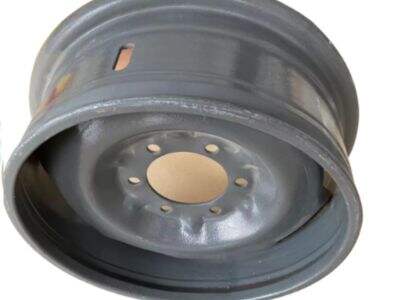
Installation Guidance for Steel Rims and Alloy Wheels in Equipment
Proper installation of 22.5 steel rims and alloy wheels is essential for maximizing their performance and durability. Before installation, it’s critical to check that the wheels are compatible with your equipment and that they meet the specified load ratings
For steel rims, ensure that the mounting surfaces are clean and free of debris to prevent misalignment. When tightening the bolts, follow the manufacturer’s recommended torque specifications to avoid damaging the wheel or the hub
Alloy wheels may require special care during installation, as Overtightening can lead to cracks or other damage. It’s advisable to use a torque wrench and to adhere to the recommended specifications for the specific alloy used in the wheel
Additionally, after installation, regular inspections should be conducted to check for signs of wear or damage, ensuring that the wheels maintain their integrity during operation. By following these guidelines, you can help ensure that either steel rims or alloy wheels perform optimally in your heavy-duty applications