
 EN
EN
 AR
AR CS
CS DA
DA NL
NL FR
FR DE
DE HI
HI IT
IT JA
JA KO
KO NO
NO PL
PL PT
PT RU
RU ES
ES SV
SV TL
TL ID
ID SR
SR UK
UK VI
VI SQ
SQ HU
HU MT
MT TH
TH TR
TR AF
AF MS
MS GA
GA HY
HY BN
BN LO
LO NE
NE TE
TE MY
MY SU
SU UZ
UZ KU
KU KY
KY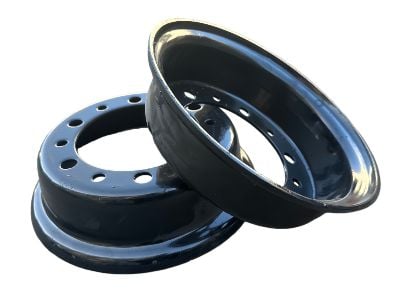
When it comes to outfitting a fleet with wheel rims, fleet owners often face the decision between steel rims and alloy rims. This Steel Rims vs Alloy Rims: A Cost-Benefit Analysis for Fleet Owners explores the key differences, advantages, and considerations to help purchasing managers and fleet operators make informed choices. Understanding the distinct characteristics of each type of rim is crucial for optimizing performance, cost efficiency, and suitability for specific applications
Key Differences for Buyers
Steel rims are typically heavier and more robust than alloy rims, which are known for their lightweight and aesthetic appeal. Steel rims are often made from stamped steel, offering durability and resistance to impact, making them ideal for heavy-duty applications like mining and construction. On the other hand, alloy rims, made from a mixture of metals such as aluminum, provide better heat dissipation and are less likely to corrode, which is beneficial for performance in various environments
From a cost perspective, steel rims are generally less expensive upfront, which can be a significant factor for fleet owners managing tight budgets. However, alloy rims can offer advantages in fuel efficiency due to their lighter weight, potentially resulting in long-term savings through reduced fuel consumption. Buyers should weigh these differences against their specific operational needs and financial constraints

How to Choose Between Steel and Alloy Rims for Your Fleet
Choosing between steel and alloy rims requires careful consideration of several factors. First, assess the specific needs of your fleet. If your operations involve rugged terrains, such as in mining or heavy construction, steel rims may be more appropriate due to their durability and resistance to damage
If aesthetics and weight are a priority, especially in commercial vehicles or agricultural machinery, alloy rims might be the better choice. Additionally, consider the maintenance requirements; alloy rims may require more attention to prevent corrosion, while steel rims can be more forgiving in tough conditions
It's also crucial to evaluate the expected lifespan of the rims. Steel rims often have a longer lifespan in high-impact environments, whereas alloy rims may last longer in lighter-duty applications. Fleet owners should also consider the total cost of ownership, including factors like repair costs, fuel efficiency, and potential resale value
Steel Rims vs Alloy Rims for Bulk Purchasing
When planning for bulk purchasing, fleet owners should consider the pricing structure and potential discounts associated with larger orders. Steel rims usually have a lower per-unit cost, making them an attractive option for bulk purchases. However, when considering alloy rims, it's important to inquire about volume discounts that may offset the higher initial price
Additionally, buyers should confirm the minimum order quantities (MOQ) and lead times for each type of rim. Manufacturers like Qingzhou Huamei Wheel, known for their custom production capabilities, can often accommodate specific requirements and provide tailored solutions for bulk orders. Understanding the production capacity and quality assurance processes of the supplier is also critical to ensure that the rims meet the necessary standards
Applications of Steel and Alloy Rims in Various Industries
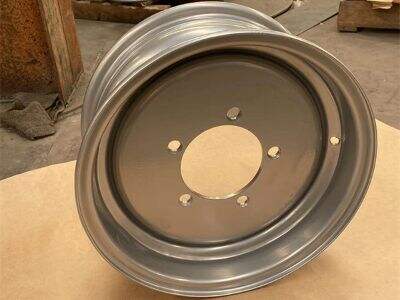
Steel rims are widely utilized in industries that require heavy-duty performance, such as mining, construction, and agricultural machinery. Their ability to withstand rough handling and harsh conditions makes them suitable for vehicles operating in challenging environments
Conversely, alloy rims are popular in sectors where vehicle aesthetics and performance are prioritized, such as in the automotive industry for passenger vehicles and light trucks. Their lightweight nature contributes to improved fuel efficiency and handling, making them advantageous for vehicles that require enhanced performance
In specialized applications, such as in electric vehicles or performance-oriented machinery, alloy rims may also provide the necessary features to optimize overall vehicle performance. Fleet owners should evaluate the specific demands of their industry when selecting the appropriate type of rim
Finding the Best Rims for Your Fleet Needs
To identify the best rims for your fleet, start by analyzing your operational requirements. Key considerations include load capacity, compatibility with existing vehicles, and performance expectations. Fleet managers should gather detailed specifications, including dimensions, material properties, and design requirements, to ensure the selected rims meet their needs
It's advisable to request samples and conduct performance testing under actual operating conditions before finalizing any bulk orders. This step can help verify that the rims will perform as expected in the field. Additionally, engaging with a reputable manufacturer like Qingzhou Huamei Wheel can provide insights into customization options, ensuring that the rims align with specific applications and operational demands
By thoroughly evaluating the differences between steel and alloy rims and understanding the unique needs of your fleet, you can make a more informed decision that balances cost, durability, and performance. Consider all factors, from initial costs to long-term operational efficiency, to find the best fit for your fleet's requirements