
 EN
EN
 AR
AR CS
CS DA
DA NL
NL FR
FR DE
DE HI
HI IT
IT JA
JA KO
KO NO
NO PL
PL PT
PT RU
RU ES
ES SV
SV TL
TL ID
ID SR
SR UK
UK VI
VI SQ
SQ HU
HU MT
MT TH
TH TR
TR AF
AF MS
MS GA
GA HY
HY BN
BN LO
LO NE
NE TE
TE MY
MY SU
SU UZ
UZ KU
KU KY
KY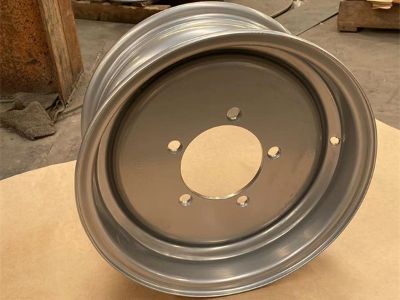
High-quality steel rims are crucial components in agricultural, engineering, and mining equipment, impacting both performance and safety. Understanding the manufacturing process behind high-quality steel rims is essential for B2B buyers, including purchasing managers and engineers, who seek reliability and durability in their equipment. This article will explore factors that define high-quality steel rims, how to select them, evaluate suppliers, and address common issues, helping you make informed purchasing decisions
How to Choose High-Quality Steel Rims for Your Projects
When selecting steel rims 17, begin by evaluating the intended application, as this influences the specifications required. Key factors to consider include load capacity, rim diameter, and width. For instance, agricultural rims need to withstand varying terrain and heavy loads, while engineering rims may require specific dimensions for machinery compatibility
Material selection is also vital. High-strength steel alloys are preferred for their durability and resistance to deformation. Ensure the rims are manufactured using processes that adhere to quality standards, such as those certified under ISO 9001, which guarantees consistent quality and performance
Customization options are another critical aspect. A manufacturer like Qingzhou Huamei Wheel can provide tailored designs, including 2D and 3D models, to meet specific project requirements. Always request samples for testing before mass production to confirm that the rims meet the necessary specifications
Evaluating Reliable Suppliers for Steel Rims
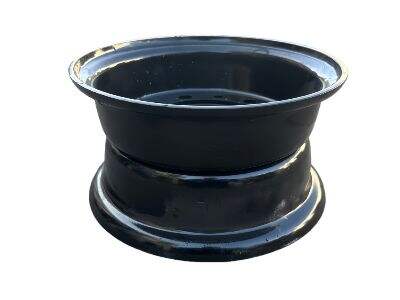
Choosing the right supplier is essential for ensuring the quality and performance of steel rims. Start by assessing their manufacturing capabilities and experience in the industry. A reliable supplier should offer proven expertise, as well as the ability to produce rims that meet your specific requirements
Check for certifications that validate their quality control processes, such as ISO 9001. It’s also beneficial to look at their export experience—suppliers with a broad international presence often have a reputation for maintaining high standards to meet diverse market demands
Engage in discussions with potential suppliers to understand their production capacity and lead times. A supplier who can provide transparent information about their processes and timelines demonstrates reliability. Additionally, consider their customer service and support, as effective communication is key to successful collaboration
The Materials Behind Durable Steel Rims
Steel rims are primarily made from high-strength steel alloys that offer a balance of strength and weight. Common materials include carbon steel, which provides adequate strength for many applications, and alloy steels, which enhance durability and resistance to wear
The manufacturing process plays a crucial role in the rims' performance. Techniques such as cold rolling can improve the material properties, resulting in a stronger, more resilient product. Surface treatments, including galvanization or powder coating, can further enhance corrosion resistance and extend the lifespan of the rims, making them suitable for various environmental conditions
When specifying materials, consider the operational environment. For instance, rims used in mining applications may require enhanced resistance to abrasion and impacts, whereas those for agricultural use might prioritize flexibility and weight reduction
Installation Guidance for Optimal Use of Steel Rims
Proper installation of steel rims is critical to ensuring their performance and longevity. Begin by reviewing the manufacturer's guidelines and specifications to confirm compatibility with your equipment. It’s essential to use the correct tools and techniques during installation to avoid damaging the rims or the associated machinery
Before installation, inspect the rims for any defects or damage that may have occurred during shipping. Ensure that the rim's bead seats are clean and free from debris to facilitate proper tire fitment. Use a torque wrench to tighten the mounting hardware to the manufacturer's recommended specifications, as over-tightening can lead to rim deformation and failure
Additionally, consider conducting a test run after installation to monitor for any irregularities in performance. Regular maintenance checks will also help identify potential issues early, ensuring that the rims continue to operate effectively
Common Problems with Steel Rims and Effective Solutions
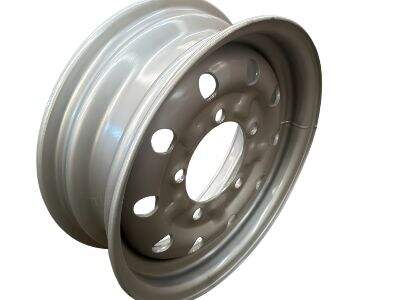
Steel rims can encounter several common problems, such as corrosion, deformation, and improper fitment. Corrosion is particularly concerning in harsh environments, which can compromise the integrity of the rims. To combat this, ensure that rims are treated with suitable coatings and regularly inspected for signs of wear
Deformation may occur due to improper installation or overloading. It's crucial to adhere to the specified load capacities and ensure that the rims are correctly installed. In cases of deformation, immediate replacement may be necessary to maintain safety and performance
Improper fitment can also lead to operational issues, including vibrations or uneven wear on tires. Always verify that the rims are compatible with the tires being used and follow installation guidelines closely. Engaging with a reputable supplier can provide additional support in addressing these challenges, as they often have experience managing similar issues across various applications
By understanding these aspects of the manufacturing process behind high-quality 22.5 steel rims, you can make informed decisions that enhance the performance and safety of your equipment