
 EN
EN
 AR
AR CS
CS DA
DA NL
NL FR
FR DE
DE HI
HI IT
IT JA
JA KO
KO NO
NO PL
PL PT
PT RU
RU ES
ES SV
SV TL
TL ID
ID SR
SR UK
UK VI
VI SQ
SQ HU
HU MT
MT TH
TH TR
TR AF
AF MS
MS GA
GA HY
HY BN
BN LO
LO NE
NE TE
TE MY
MY SU
SU UZ
UZ KU
KU KY
KY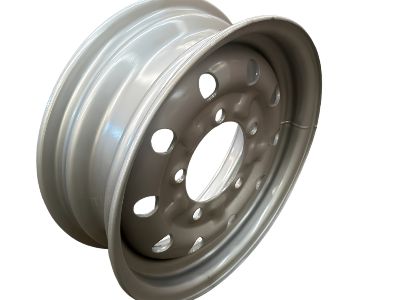
Choosing the right steel rims size for your vehicle is crucial for optimal performance, safety, and compatibility. As a B2B buyer, whether you're a purchasing manager, distributor, or engineer, understanding the specific requirements of steel rims is essential. This article will guide you through the key considerations when selecting steel rims, sourcing reliable suppliers, evaluating quality factors, addressing common installation issues, and identifying the best applications for various steel rim sizes in industrial contexts
How to Choose the Right Steel Rim Size for Your Vehicle
Selecting the correct steel rims 17 size involves several critical factors, including the vehicle’s specifications, intended use, and load requirements. The rim size must match the tire size to ensure a proper fit, which impacts handling, fuel efficiency, and safety
Vehicle Specifications: Check the vehicle’s manual or manufacturer specifications to determine the recommended rim size. This usually includes diameter and width measurements
Load Capacity: Consider the load capacity of the rims. Steel rims come with varying weight ratings. Ensure that the chosen size can handle the expected load, especially for heavy-duty applications like agricultural or mining equipment
Intended Use: The application will dictate the steel rim size. For example, rims used in agricultural machinery may differ from those used in construction vehicles due to different stress and load demands
Offset and Backspacing: These measurements affect how far the wheel sits from the suspension components and fender. Incorrect offset can lead to handling issues or component interference
By carefully considering these factors, you can choose the right steel rim size that meets your vehicle's performance and safety requirements
Where to Source Reliable Suppliers for Steel Rims
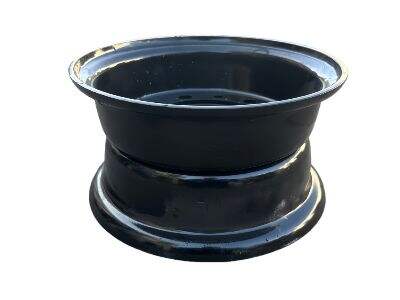
Finding trustworthy suppliers for steel rims is essential for ensuring product quality and reliability. Start by identifying manufacturers with a strong reputation in the industry, such as Qingzhou Huamei Wheel, which specializes in high-quality wheel rims for various applications
Industry Directories and Trade Shows: Utilize industry directories and attend trade shows to meet potential suppliers. Engaging with manufacturers face-to-face allows you to ask specific questions and gauge their expertise
Certifications and Standards: Look for suppliers that comply with international quality standards, such as ISO 9001. Certification indicates that the manufacturer adheres to quality control processes, which is critical for maintaining high product standards
Customer Reviews and References: Research customer testimonials and request references from potential suppliers. A reputable supplier should readily provide this information to demonstrate their reliability and product quality
Customization Capabilities: If your application requires specific dimensions or designs, ensure the supplier has the capability to accommodate customization requests. This can significantly affect your vehicle's performance and safety
By carefully evaluating potential suppliers based on these criteria, you can ensure that your steel rim procurement aligns with your operational needs
Evaluating Quality Factors in Steel Rims for Your Projects
When sourcing steel rims, quality is paramount. Several factors contribute to the overall quality of the rims you purchase
Material Quality: Steel rims should be made from high-strength steel to withstand the rigors of industrial applications. Verify the material specifications from the manufacturer and ensure that they meet your project's requirements
Manufacturing Process: Understanding the manufacturing process can provide insights into the quality of the rims. Look for manufacturers who utilize advanced techniques and equipment, which often lead to better consistency and performance
Quality Control Procedures: Ask about the quality control measures in place. A reliable manufacturer will conduct rigorous testing and inspections throughout the production process to ensure that the rims meet specified standards
Finish and Coating: The surface finish affects the rim’s durability and resistance to corrosion. Check if the rims have protective coatings that can withstand environmental factors, especially in harsh working conditions
By focusing on these quality factors, you can make informed decisions that ensure the steel rims you select will perform reliably in your applications
Common Installation Problems with Steel Rims and Solutions
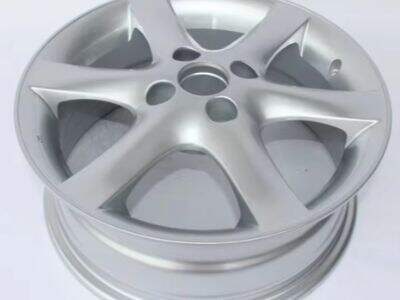
Installing steel rims can sometimes present challenges that may affect vehicle performance and safety. Here are common problems and their solutions
Misalignment: A common issue during installation is misalignment, which can lead to uneven tire wear and handling problems. Ensure that the rims are properly aligned with the vehicle specifications before tightening the bolts
Incorrect Torque Specifications: Failing to adhere to the manufacturer’s torque specifications can lead to rim failure or detachment. Always use a calibrated torque wrench and follow the recommended settings for your specific vehicle and rim combination
Tire Compatibility: Using rims that do not match the tire specifications can cause issues such as blowouts or poor handling. Double-check that the rim size corresponds with the tire size to ensure compatibility
Corrosion Issues: If the rims are not properly coated, they can suffer from corrosion, especially in harsh environments. Inspect the rims for any signs of damage or wear before installation to avoid future problems
By being aware of these potential installation problems and their solutions, you can ensure a smoother installation process and achieve optimal vehicle performance
Best Applications for Different Steel Rim Sizes in Industry
Steel rims come in various sizes, each suited for specific applications in industrial settings. Understanding these applications can help you make informed decisions
Agricultural Equipment: Larger steel rims are often used in tractors and harvesters due to the increased load capacity required for agricultural operations. These rims must be robust to handle the weight of heavy machinery and provide stability on uneven terrains
Construction Vehicles: For construction equipment, such as excavators and bulldozers, steel rims need to be durable enough to withstand rough conditions and heavy loads. The size and strength of the rims must be aligned with the specific machinery and its operational demands
Mining Equipment: Steel rims used in mining applications are typically larger and designed for extreme durability. They must endure harsh environments and heavy loads, making material quality and construction techniques critical
Commercial Trailers: Smaller steel rims are often used for commercial trailers. These rims need to be lightweight yet strong enough to handle varying loads during transportation
By matching the 22.5 steel rims size with its intended application, you can enhance the performance and longevity of your vehicles and equipment, ensuring efficiency in your operations